




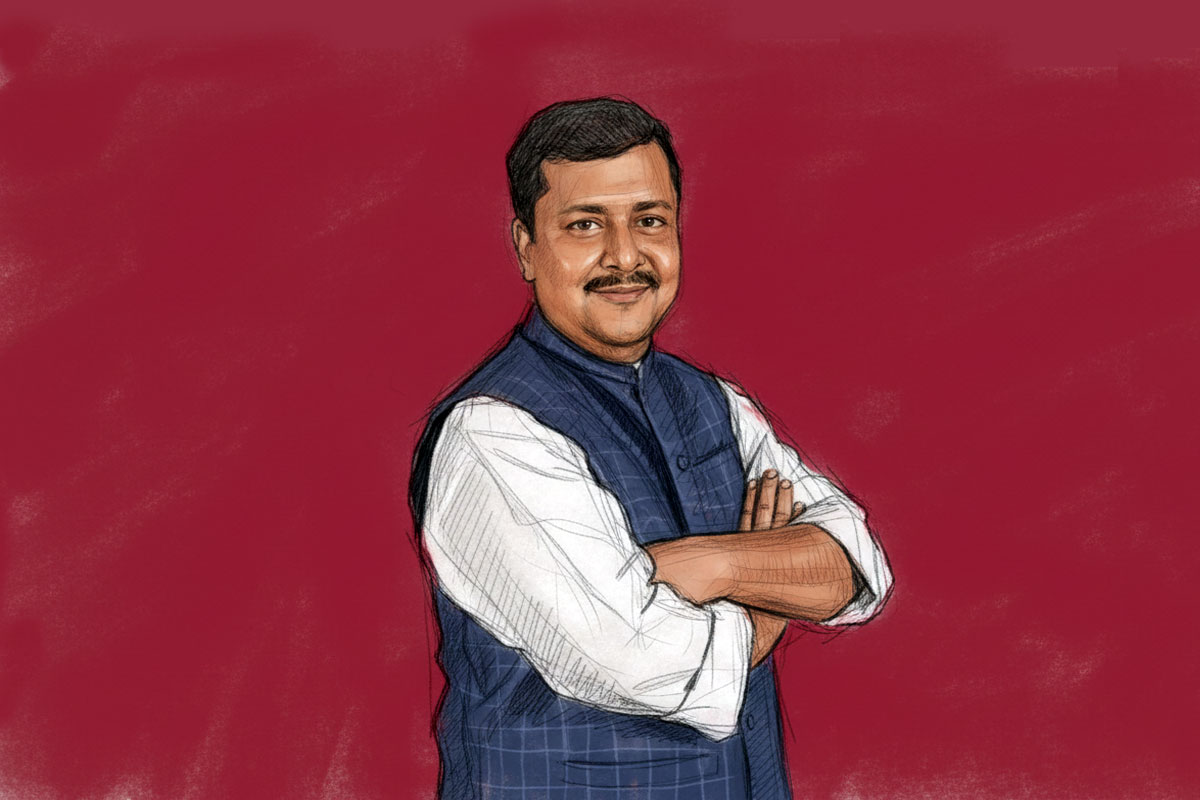
 As Nitin Nabin ascends to the helm as National President of the Bharatiya Janata Party (BJP), it is a watershed moment in Indian politics. At just 45, he’s now the youngest person to ever lead the party. This isn’t just about his age—it’s a signal that the BJP wants to shake things up, bring in new energy and really connect with younger voters who are starting to shape the country’s political future.
But there’s more going on here than just a changing of the guard. The BJP knows the old ways don’t always work anymore. By picking Nabin, they’re betting on a new generation—leaders who can stick to the party’s ideals but also aren’t afraid to try new things inside the organization. Sure, it’s a risk, but if it pays off, it could change the BJP for a long time.
It is worth mentioning that born on 23 May 1980, Nitin Nabin is an Indian politician, strategist and activist who has now carved his place in national politics. He has served five terms in the Bihar Legislative Assembly and also held a cabinet post in the state government. Nitin Nabin, who was serving as the BJP’s National Working President since December 2025, has now been elevated to the party’s top post, succeeding Union Health Minister JP Nadda. Nabin’s new role really shows where the BJP stands with the RSS. The RSS backs him, so it’s clear he lines up with their core ideas. Still, he’s got a tough job ahead—balancing the RSS’s strict ideology with the BJP’s need to stay flexible and win elections all over the country. How well Nabin manages this will set the tone for his time as president. The RSS wants him to stay true to its roots but the BJP’s election machine needs someone who can adapt. Whether he can keep everyone happy will decide if he unites or divides the broader saffron family.
Cabinet reshuffle, organizational overhaul and electoral battles await the new president
Meanwhile, now, with Nabin at the top, a cabinet shakeup is also on the way, along with a total overhaul of the national organizational setup. This isn’t just a bit of window-dressing—it’s a big reset. Expect new faces, new committees and a fresh push to energize the grassroots. Nabin’s got to walk a fine line: reward loyalty, recognize real talent, represent every region and keep the party’s base fired up. The BJP likes to brag about its tight organization and people will judge Nabin on whether he can strengthen that.
His first big test is right around the corner: assembly elections in West Bengal, Assam, Tamil Nadu, Kerala and UT Puducherry. Each state comes with its own headaches. West Bengal is all about fierce local pride and deep-rooted rivalries. Assam’s politics are tangled up with ethnic issues and alliances that shift all the time. In Tamil Nadu and Kerala, the BJP still struggles against strong Dravidian and Left-leaning parties. Even Puducherry, though small, matters symbolically. Nabin has to piece together strategies that fit each place but still keep the party’s national message clear. If he wins big here, it’s not just about racking up seats. It’ll show the BJP’s gamble on a younger leader actually works when it counts.
Eastern Awakening: BJP’s New Face from Bihar Reframes National Priorities
Nabin’s background in Bihar adds another twist. Bihar’s always mattered in national politics and his rise shows the BJP wants to boost its strength in the east. He could end up shifting the party’s focus—more attention for eastern states, maybe more talk about jobs, infrastructure and welfare there. That would give the BJP’s national agenda a new flavor and might finally put some neglected states in the spotlight.
A Party at the Crossroads, A Leader on Trial
In the end, the real question is whether the BJP’s move to hand over power to someone this young will work out. It’s a calculated risk. If Nabin succeeds, he could fire up young voters and give the whole party a shot in the arm—maybe even start a trend of younger leaders across Indian politics. But let’s not kid ourselves: some senior leaders will feel left out and that could create friction. The BJP has always balanced discipline with a bit of practical flexibility. Nabin’s time as president will show if that approach can survive when the party is going through a generational shift.
So Nitin Nabin’s rise isn’t just another leadership change. It’s a bold move—a test of whether the BJP can really reinvent itself, bring in new blood and get ready for the next round of political battles. How he handles the push and pull between ideology and real-world politics will define how he could reshape the BJP’s trajectory for years to come.
So, as Nitin Nabin steps in, the BJP finds itself at a real turning point. The forthcoming assembly elections will test him like nothing else. If he comes through, he won’t just make history—he’ll change the way people think about leadership in India. If he doesn’t, well, people will call it a mistake. Either way, January 20 will be remembered as the day the BJP took a gamble on youth and rewrote its own playbook.
(The author is the Editor of the website www.thenewsgateway.com. Views expressed are personal.)