



 Dr. Gagandeep Singh Randhawa’s suicide in Punjab has rocked the state – politicians, bureaucrats and ordinary people alike. There’s outrage, grief and a real demand for accountability. Dr. Randhawa, who worked as District Manager for the Punjab State Warehousing Corporation, reportedly took his own life on March 21, 2026. According to the family members, Dr. Randhawa was facing harassment and humiliation from former minister Laljit Singh Bhullar and his associates.
The fallout was immediate and intense. Bhullar, serving as Punjab’s Transport Minister, had to step down just hours after the tragedy. People saw his resignation as an admission that the accusations were serious, although he insists he wasn’t involved. The unfortunate incident brought the three main opposition parties – Congress, SAD and BJP under one umbrella and it was their mounting pressure that finally compelled the Amritsar police to register an FIR against Bhullar, his father Sukhdev Singh Bhullar and his assistant Dilbag Singh, charging them under sections 108 (abetment to suicide), 351 (criminal intimidation) and 3(5) (common intention) of the Bharatiya Nyaya Sanhita (BNS).
What happened here isn’t just some ugly abuse of power – it’s proof that government employees can get caught in the crossfire when politics takes over. Honestly, it shows how exposed and at-risk they are. When political games start, the people working behind the scenes end up paying the price. It’s tough to watch and a reality check about how fragile their position really is.
The opposition’s response was fast and unusually unified. Congress, BJP and Shiromani Akali Dal leaders put aside their usual differences and protested together in Chandigarh. They accused AAP, the party in power, of protecting its own. Besides Bhullar’s immediate arrest, they’re demanding a Central Bureau of Investigation (CBI) probe, arguing that only a central agency can guarantee fairness; they don’t trust a state-level investigation. “Justice for Dr. Randhawa” became a rallying cry, as opposition leaders pointed to a bigger issue: political interference in how bureaucrats do their jobs. Calls for Bhullar’s arrest have gotten louder and the case is now a big test for the credibility of AAP in Punjab.
But this isn’t just about politics. Dr. Randhawa’s death really puts the spotlight on workplace harassment, abuse of authority and just how vulnerable bureaucrats are. Folks who were already concerned about politicians throwing their weight around now have fresh reasons to question if public institutions are actually trustworthy. The anger isn’t just about one tragic loss – it’s about a system that makes intimidation and exploitation seem routine.
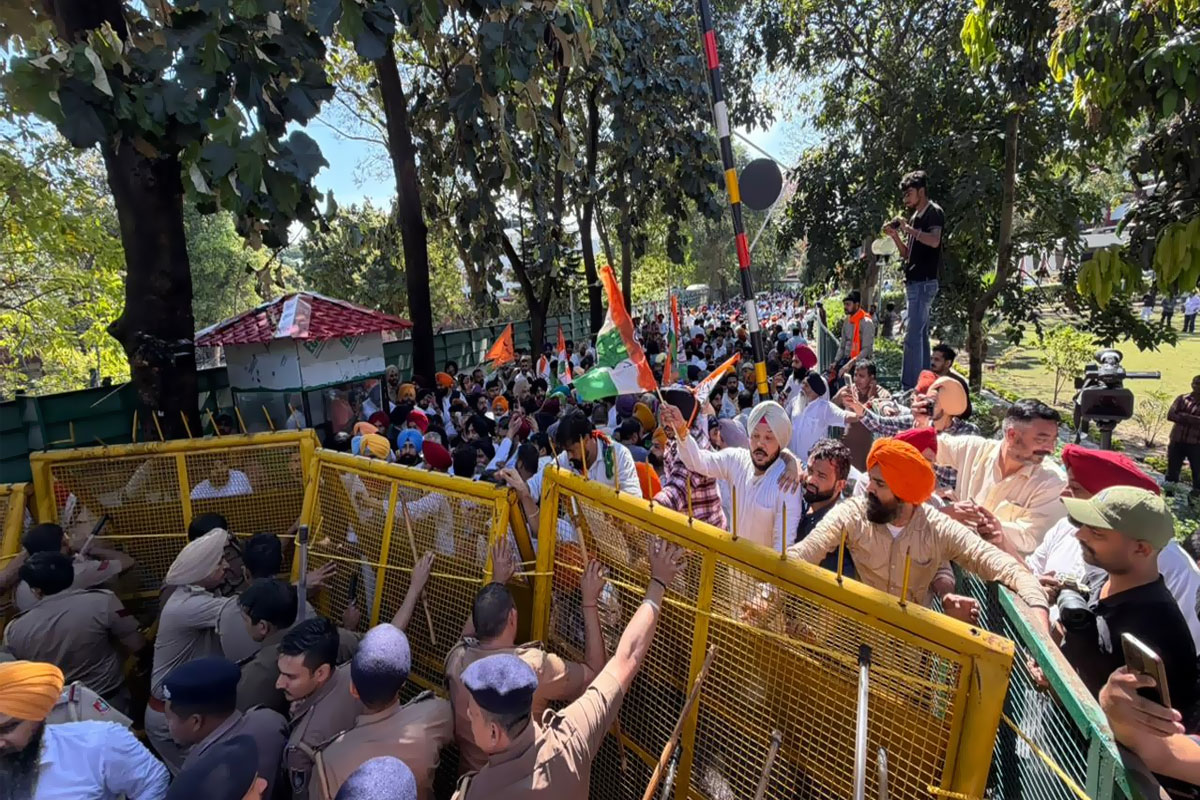
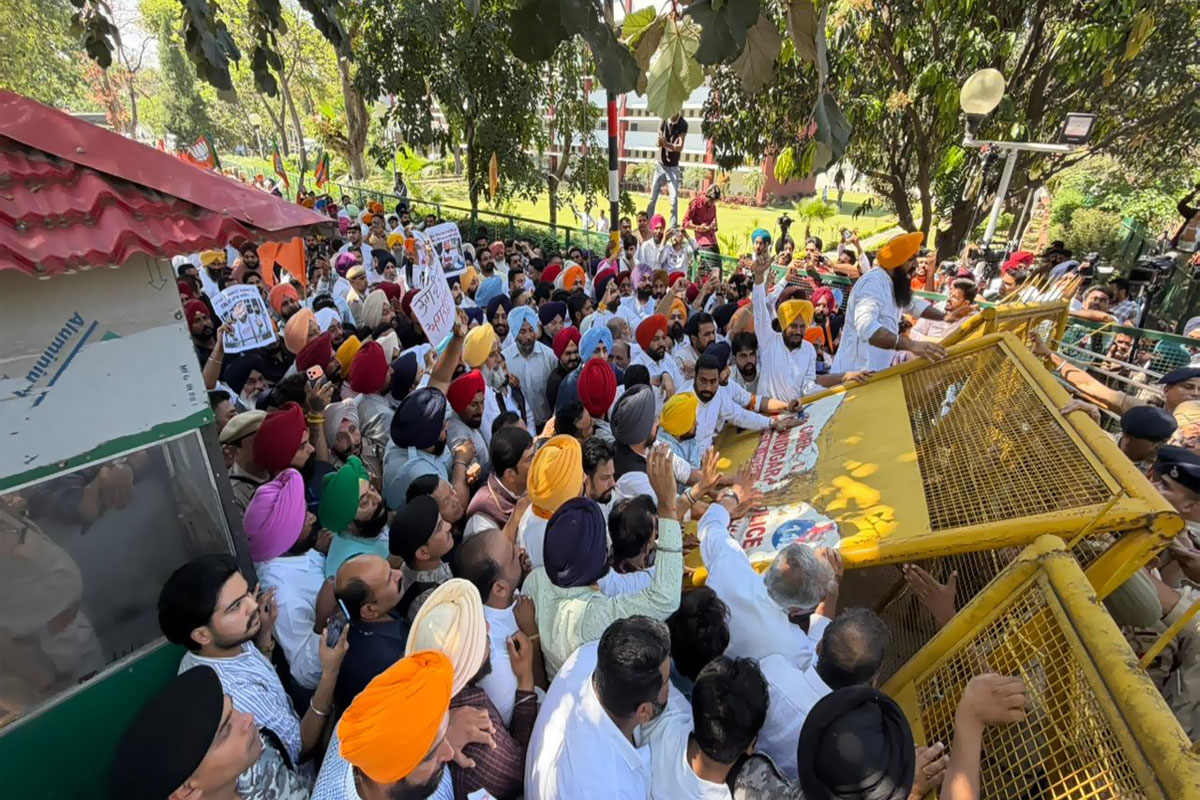
The pace was relentless. On March 21, Dr. Randhawa allegedly consumed poison after being assaulted and humiliated. Bhullar resigned within hours. The next day, under immense pressure from the opposition, the police registered an FIR against Bhullar, his father and his aide. On March 22, a wave of opposition protests erupted as leaders from the BJP, Congress, SAD and CPI were taken into custody while attempting to breach heavy police barricades during a joint demonstration outside Punjab Chief Minister Bhagwant Mann’s residence, demanding a CBI probe into the matter. Just two days later, the story had moved from tragedy to full-blown political crisis, dominating conversations all across Punjab.
For AAP, this is a serious blow. A minister resigning under these circumstances makes it tough for the party to claim it’s running a clean, transparent government. The opposition pounced, painting the administration as unwilling to hold its own accountable. This situation has also brought together rival parties – at least on this issue and they’re united in demanding justice. That unity only piles more pressure on the government, which now has to manage the legal process, respond to political attacks and calm public outrage.
In the end, Dr. Randhawa’s suicide is much more than personal tragedy – it’s a crisis for Punjab’s politics and institutions. Bhullar’s resignation and the FIR are steps toward accountability but the call for a CBI probe shows how little people trust state-level investigations. The incident has shaken faith in government, pulled the opposition together and put the ruling party’s reputation on the line. How the case unfolds will probably shape Punjab’s politics for months to come, sparking debates about governance, justice and political harassment. Lots of people want justice for Dr. Randhawa and hope it leads to real changes that keep officials safe in the future.
(The author is the Editor of the website www.thenewsgateway.com. Views expressed are personal.)