



Chandigarh, March 9
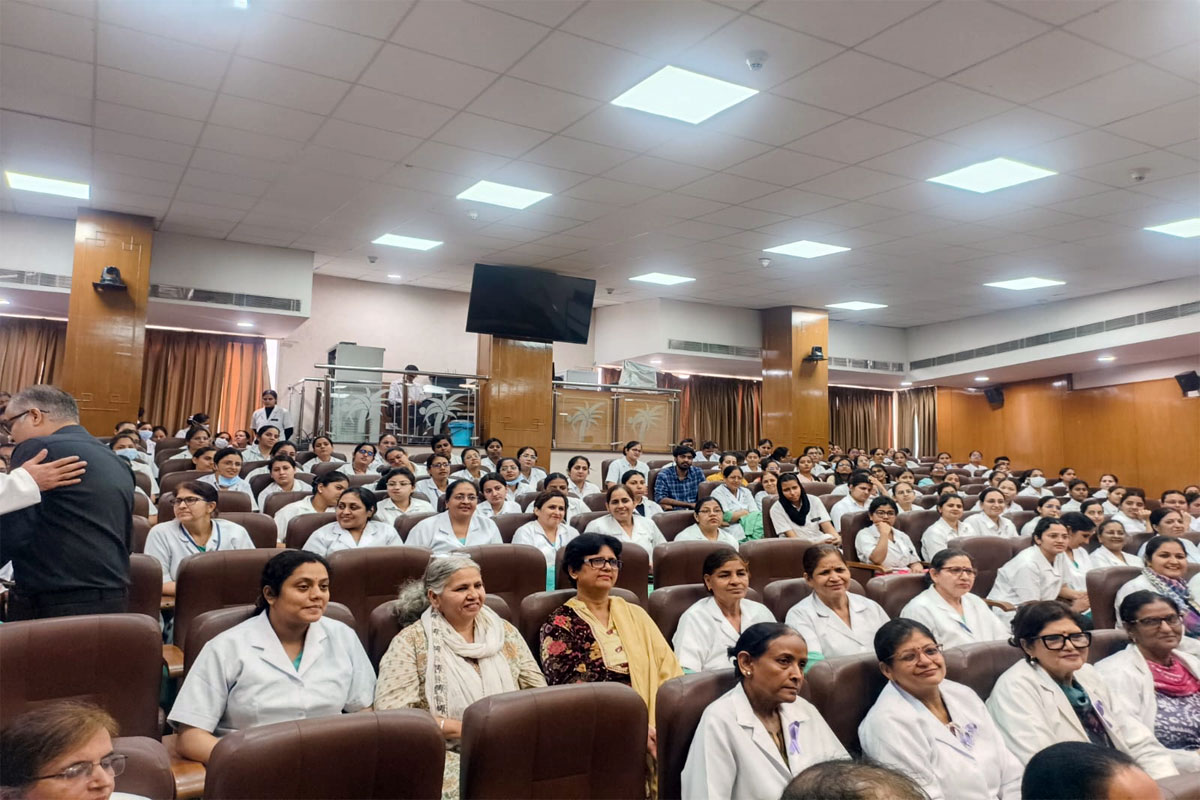
PGIMER Chandigarh organised an Integrated Media Interaction on Women’s Health today in observance of International Women’s Day. The programme brought together experts from multiple specialties to highlight key health concerns affecting women across the lifespan, including adolescent health, gynaecological issues, cancer prevention, gastrointestinal disorders and mental health.
“True empowerment lies in ‘giving to gain’, the theme of this year’s Women’s Day— when we strengthen the health, dignity and wellbeing of women around us, society as a whole moves forward,” stated Prof. Sadhna Lal, Head, Division of Paediatric Gastroenterology & Hepatology, emphasising that awareness and access to healthcare must extend beyond the professional community to include less empowered sections of society.
“While we celebrate the progress women have made over the decades, our real responsibility is to extend this progress to those who remain less empowered. At PGIMER, we are initiating regular health screening for sanitation staff and hospital attendants so that women who serve the institution every day are also supported in safeguarding their own health,” Prof. Lal added.
Highlighting the broader purpose of the initiative, Prof. Lal noted that the true spirit of Women’s Day lies in supporting and empowering women who often neglect their own health while balancing demanding professional and family responsibilities.
Addressing common gynaecological concerns, Prof. Rashmi Bagga, Department of Obstetrics & Gynaecology, stressed that many women tend to ignore symptoms that require timely medical attention as she said, “Many women experience common gynaecological problems such as vaginal discharge, pelvic pain, abnormal bleeding, painful periods or urinary symptoms, but they often ignore these issues until they become severe.”
Prof. Bagga further stated, “Most of these conditions are easily treatable if addressed early. Regular check-ups, awareness of warning signs, and simple screening tests like the Pap smear for cervical cancer are crucial to detect problems in time and prevent serious complications.”
Speaking on cancer awareness and prevention, Prof. Divya Dahiya, Department of General Surgery , highlighted the growing burden of certain cancers among women and the importance of early detection.
“Breast cancer incidence in India has nearly doubled over the last two decades, and today one in 24 women in the country is likely to develop the disease. What makes this particularly concerning is that, unlike in the West, many Indian women are diagnosed at a much younger age. Any lump in the breast, nipple discharge, or change in the skin must never be ignored. Regular self-breast examination and timely screening are simple but powerful steps that can lead to early detection and significantly improve outcomes,” Prof. Dahiya emphasised.
Prof. Dahiya also pointed to the increasing detection of thyroid disorders and thyroid cancer among women, which may present as a neck swelling and should be evaluated promptly. Experts also highlighted the importance of Human Papillomavirus (HPV) vaccination in preventing cervical cancer. Vaccines, particularly India’s indigenous vaccine Cervavac, provide protection against HPV infection . Vaccination is most effective when administered between 15–26 years of age, while screening through Pap smear remains important even for vaccinated individuals.
Speaking on the mental health dimension of women’s wellbeing, Dr. Nidhi Chauhan, Associate Professor, Department of Psychiatry , highlighted the multiple pressures faced by women in modern society.
“Mental health in women deserves much greater attention today because modern women are balancing multiple roles—professional responsibilities, family expectations and social pressures—at the same time. While women today have greater opportunities and visibility, this progress has also come with increased pressures, making it essential to openly discuss mental health and create supportive environments both at home and in the workplace,” Dr. Chauhan said.
Dr. Chauhan also addressed the growing concern of digital dependence, ““The rapidly expanding digital ecosystem and increasing dependence on social media have emerged as significant contributors to mental health concerns across all age groups. From adolescents to adults, excessive digital engagement can affect relationships, emotional wellbeing and overall quality of life. Encouraging balanced, mindful use of technology is essential for protecting mental health in today’s increasingly connected world.” she added.
Dr. Chauhan emphasised the need to normalise conversations around mental health and encourage peer support as well as timely professional help whenever individuals feel overwhelmed.
Discussing gastrointestinal health in women, Prof. Usha Dutta, Head, Department of Gastroenterology, highlighted, “Gallstones are a common but often overlooked problem among women. Risk factors include obesity, multiple pregnancies, hormonal influences, rapid weight loss and certain dietary patterns. Women frequently ignore symptoms such as upper abdominal pain, nausea or discomfort after fatty meals, which may indicate gallstone disease.”
Prof. Dutta emphasised that early diagnosis and appropriate management can prevent complications such as infection of the gall bladder, pancreatitis and bile duct obstruction. Maintaining a healthy weight, balanced diet and regular physical activity can help reduce the risk of gallstone formation.
On the occasion, Prof. Usha Dutta, who is also the Editor-in-Chief of the Indian Journal of Gastroenterology (IJG), released a special issue titled “Women and Gastroenterology. ” The issue explores the intersection between gender and gastrointestinal as well as liver health, while also examining the professional landscape for women physicians in the specialty.
The special issue brings together expert reviews on gastrointestinal and liver diseases affecting women across the lifespan—from adolescence and reproductive years to menopause. Particular attention has been given to pregnancy-related gastrointestinal and liver disorders, including intrahepatic cholestasis of pregnancy, portal hypertension and acute fatty liver of pregnancy.
It also discusses conditions that disproportionately affect women such as autoimmune liver diseases, metabolic syndrome, functional gastrointestinal disorders and gastrointestinal cancers, while examining the influence of socio-cultural determinants including health-seeking behaviour, stigma and access to care.
The release event was attended by members of the Editorial Board of the Indian Journal of Gastroenterology, including Managing Editor Dr. Vishal Sharma, Associate Editor Dr. Jayanta Samanta, Science Editors Dr. Jimil Shah and Dr. Vaneet Jearth, and Assistant Managing Editor Nikita Sharma.
The programme concluded with an interactive session with media representatives, during which experts reiterated that awareness, preventive screening, vaccination, healthy lifestyle practices and timely medical consultation remain the most effective strategies to improve women’s health outcomes.