



By Manohar Lal
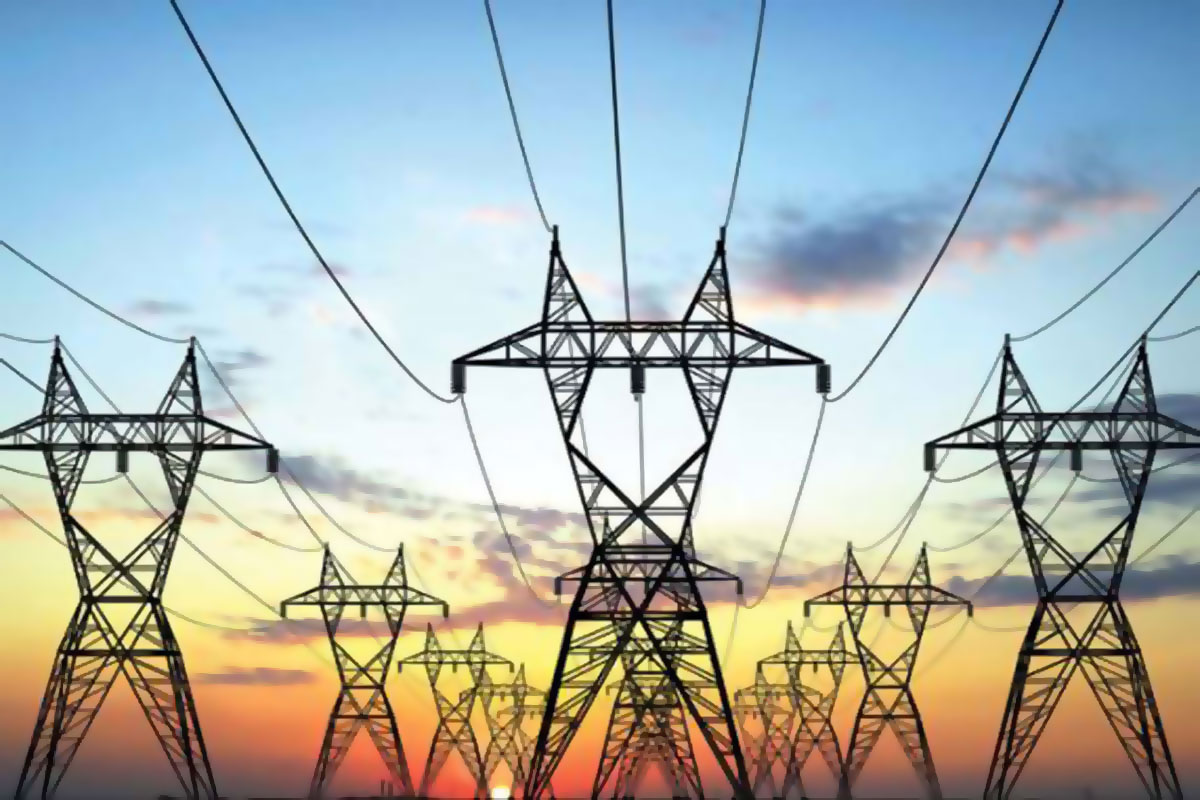
The ancient prayer “Tamso Ma Jyotirgamaya” – lead us from darkness to light – captures not just a spiritual aspiration but the story of modern India. Over the last decade, we have translated this ethos into reality, transforming an electricity ecosystem once defined by chronic shortages into one of the world’s fastest‑growing, most diversified and reform‑driven power markets.
As India positions itself as a global manufacturing hub, a burgeoning digital economy and a responsible clean‑energy leader, the power sector has become the bedrock of our national competitiveness.
In the last decade, we have added significant generation and transmission capacity, bringing national energy shortages down from 4.2% in FY 2013‑14 to 0.03% by FY 2025‑26. In FY 2025‑26 alone (up to January 2026), a record 52.53 GW capacity from all sources has been added, the highest ever in a single year, surpassing the previous best of 34.05 GW in 2024‑25.
Total electricity generation has increased from 1,020.2 BU in FY 2014 to 1,830 BU in FY 2025. Per capita consumption has risen from 957 kWh in 2014 to 1,460 kWh in 2025, reflecting economic growth and improved access. This has ensured that every home, farm and industry has the reliable power it needs, and India is now the third‑largest producer and consumer of electricity in the world.
While we can generate over 520 GW of electricity, the real test of a system is its ability to manage peak load without operational stress. In the summer of 2024, peak demand reached a record 250 GW and was 242.49 GW in FY 2025‑26. Earlier, such spikes might have strained the grid, but our load dispatch centres successfully managed them with almost zero energy loss. This resilience is enabled by one of the world’s largest synchronous grids, with 120 GW inter‑regional transfer capacity, integrating the country into “One Nation‑One Grid‑One Frequency”.
Equally inspiring is not just how much power we generate, but how we generate it. The share of non‑fossil capacity has risen rapidly, enabling India to achieve its NDC target of 50% cumulative non‑fossil electric capacity nearly five years ahead of schedule, underscoring our clean energy transition and climate commitment.
Since 2014, the power sector has been reshaped by mission‑mode schemes that have expanded access while driving a sustainable transition. Deen Dayal Upadhyaya Gram Jyoti Yojana electrified every village in India, followed by Saubhagya, which brought electricity to millions of households, making energy access a reality for all.
Another transformational reform is the introduction, in September 2025, of separate connectivity for solar and non‑solar hours at the same ISTS substations. Solar projects receive access during solar hours, while storage and wind projects receive non‑solar hour access. This unlocks large unutilised transmission capacity, accelerates commissioning of renewable and storage projects without surplus lines, reduces transmission costs and improves utilisation.
Digital empowerment is a vital component of our modernisation story. Under the Revamped Distribution Sector Scheme (RDSS), with an outlay of ₹3.03 lakh crore, we are rolling out smart prepaid meters nationwide, transforming the interface between utilities and citizens. The scheme has already delivered results: AT&C losses have fallen from 21.91% in 2021 to 15.04% in 2025, and under‑recovery per unit supplied has dropped from 69 paise to 6 paise.
As our digital economy accelerates, anticipating future demand is as crucial as managing the present. Data centre capacity is expected to grow from 1.4 GW to 9 GW by 2030, with these facilities alone likely to consume about 3% of India’s total electricity.
Meeting this massive, continuous power demand from AI, R&D and other technology‑driven ecosystems sustainably is our next milestone. As renewable energy expands, energy storage becomes critical. India is developing pumped storage projects and battery energy storage systems at scale to ensure that our burgeoning digital infrastructure is powered by clean energy. The National Green Hydrogen Mission is positioning India as a global hub for clean fuels, supporting grid stability and higher renewable penetration.
We are also taking decisive steps in nuclear energy, an essential part of a low‑carbon, reliable power mix. Our target of 100 GW of nuclear capacity by 2047 and the SHANTI Act, 2025, affirm our technological sovereignty and create the legal and policy framework for private sector participation. What we now need, and what this summit can catalyse, are global partnerships in technology, financing and supply chains.
To power Viksit Bharat, accelerate electrification across the Global South and build a resilient, future‑ready energy ecosystem, we must move from ambition to coordinated action. This is the moment for governments, industry leaders, innovators and global partners to co‑create a new energy architecture that is clean, reliable, digitally integrated and globally interconnected.
India must champion cross‑border electricity collaboration; invest boldly in next‑generation transmission, digital grid intelligence and OSOWOG‑aligned market mechanisms; and accelerate deployment of renewables, hydropower innovation, flexible gas assets and clean energy for the digital economy. This momentum must be reinforced by stronger coordination between Transmission System Operators and Distribution System Operators, and by a unified Power Sector Roadmap to 2047 that makes India a global model of resilient, sustainable and affordable electrification.
Against this backdrop, the Bharat Electricity Summit 2026 at New Delhi, assumes special significance. It comes at a pivotal time as the nation accelerates its transition toward a sustainable, secure and technology‑driven power ecosystem.
With its theme “Electrifying Growth. Empowering Sustainability. Connecting Globally,” the summit will showcase India’s leadership in the global energy transition, bringing together different stakeholders. It will highlight India’s commitment to modernising infrastructure, expanding renewable capacity and strengthening grid reliability. The Summit will serve as a national and global platform for collaboration, policy dialogue and investment mobilisation.
We estimate investment potential of over US$345 billion in electricity generation and over US$68 billion in transmission and distribution by 2032, with energy storage alone offering an opportunity of over US$35 billion. This is anchored in real demand, as India’s total generation capacity already exceeds 520 GW and is expanding rapidly, even as grid emissions intensity declines.
Let us unite to energize Viksit Bharat and illuminate the Global South’s path to shared prosperity.
(The author is Union Minister of Power, Government of India)