



Chandigarh, March 1
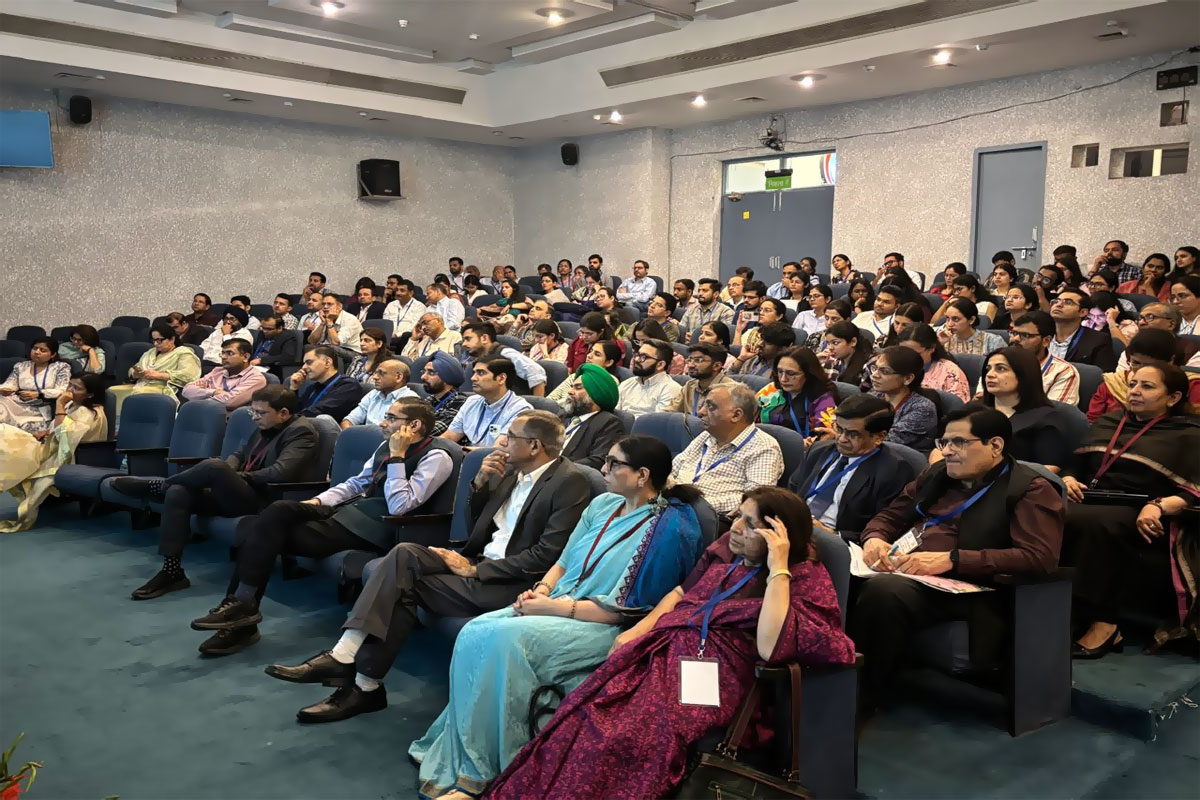
On the second day of the academic conference “Basics to Breakthroughs”, the CME began with sessions on diagnostic and clinical essentials, including urinary tract infections (UTI) in young children, dermatology updates for pediatricians, and interpretation of chest radiology in pediatric practice. The session began with focussing on UTI in children refining clinical suspicion and promoting evidence-based management. A dermatology update session aimed to enhance bedside diagnostic skills through pattern recognition and clinical reasoning. Accurate interpretation of pediatric chest radiographs was detailed in the subsequent lecture as an essential measure for diagnosing respiratory illness while avoiding over diagnosis and unnecessary treatment in different pediatric clinical scenarios. A dedicated session on neonatal meningitis highlighted early recognition and management strategies.
One of the major highlight of the Day 2 of CME was a multidisciplinary panel discussion on managing antimicrobial therapy in the era of multidrug resistance, reflecting the growing global concern regarding antimicrobial stewardship. The Key themes included principles of antimicrobial stewardship in pediatric practice, selecting appropriate empirical therapy using local antibiograms, de-escalation strategies once microbiological data are available and avoiding unnecessary broad-spectrum antibiotic use.
Subsequent sessions focussed on hematology and laboratory-based clinical decision-making, including anemia management and immune thrombocytopenia (ITP). The discussion began with recognizing age-specific definitions of anemia and identifying key clinical indicators. The emphasis was on the importance of dietary history, socioeconomic factors, chronic illness assessment, and family history in guiding evaluation. The succeeding program shifted toward neurological and genetic advances, covering epilepsy management in outpatient settings, advances in neuromuscular disorders including gene therapies. The National Program for Rare Diseases was further discussed elaborating the collective effort on identifying patients eligible for program support, referral pathways and financial assistance mechanisms. The session aimed to empower pediatricians to connect families with available healthcare and social support resources.
The concluding scientific sessions explored next-generation sequencing applications in childhood clinical care and evaluation of inborn errors of immunity, underscoring the transition toward precision medicine in pediatrics.
An informative feature of this year’s CME was audience engagement through interactive quiz following each session. The winners from the audience were given prizes at the end of the programme. The research poster winner names were also announced at the end of the day. The first prize for research poster was awarded to Dr Pujitha Vallabhaneni among senior residents, Dr Shivangi Mishra among junior residents and Yashu Sharma among PhD scholars. The day closed with prize distribution and a formal vote of thanks.
The Annual PGI Pediatrics Update 2026 CME Conference was successfully concluded to support the academic growth, clinical competence, and professional development of residents and early-career pediatric practitioners. The program bridged the theoretical learning with real-world clinical application, enabling young doctors to strengthen both foundational knowledge and advanced decision-making skills—aligning with the conference theme of moving from fundamentals to innovation.