




Chandigarh, February 6
In a major step towards making the judicial process more accessible, swift and effective, district courts have achieved notable success in recording witness statements through video conferencing. From January 15, 2025 to January 31, 2026, the extensive and well-planned use of this technology has enabled courts to overcome traditional challenges and set a new benchmark. During this period, 89,136 witness statements were recorded through video conferencing. The presence of doctors, forensic and other experts, police and jail officials, as well as general witnesses, is no longer hindered by geographical distance, security arrangements or time constraints.
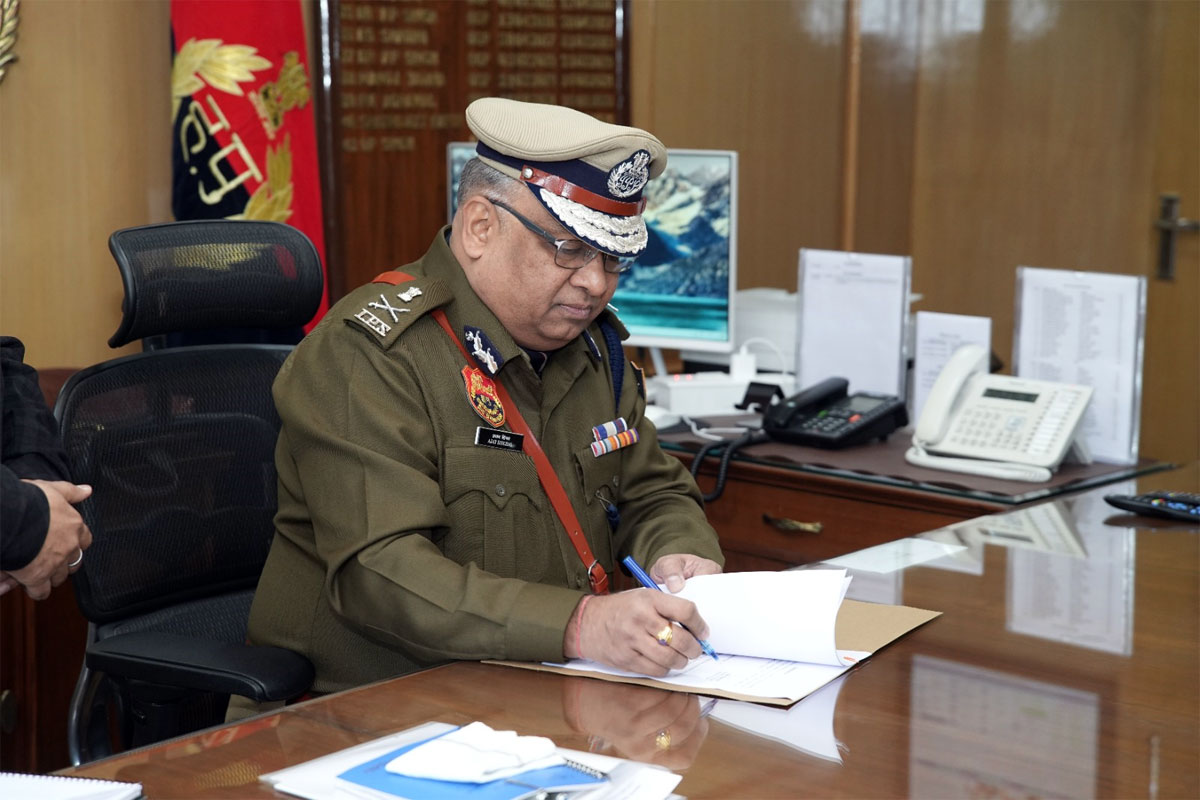
Commenting on the development, the Director General of Police, Haryana, Ajay Singhal, said, “The recording witness statements through video conferencing in district courts is a significant reform towards making the justice delivery system more effective, time-bound and result-oriented. He said that the use of this technology has led to a substantial reduction in delays caused by the non-availability of witnesses and has accelerated the pace of case disposal.” The DGP further noted that police, jail administration, as well as medical and expert witnesses, are no longer required to appear repeatedly in courts, thereby reducing the burden on time, resources and security arrangements. He also emphasized that in sensitive cases, video conferencing has emerged as a reliable medium for ensuring the safety and convenience of witnesses.
DGP added that to assess the administrative, environmental and economic benefits derived from the effective implementation of the three new criminal laws, a detailed study was conducted by an independent agency, which yielded highly positive results. “With the introduction of the e-challan system, approximately 6,704 A4 reams of paper were saved in just four months, resulting in a reduction of 8,165 kilograms of CO₂ emissions and the conservation of 3,15,106 litres of water. Similarly, the e-summons system saved around 3,240 reams of paper, leading to the conservation of 1,52,306 litres of water and 27,00,466 litres of fuel, with an estimated monetary value of ₹25.65 crore—an achievement accomplished within just six months. Meanwhile, the extensive use of video conferencing in judicial proceedings resulted in savings of approximately 1,22,400 litres of fuel over seven months, with an estimated cost saving of ₹1.16 crore. In addition, ensuring the court appearance of police personnel through video conferencing led to an additional saving of about ₹1.10 crore in travel allowances. These figures not only reflect a significant increase in administrative efficiency but also present a strong example of sustainable development, environmental conservation and prudent utilization of public funds”, he added.