




Sirsa/Chandigarh, January 21
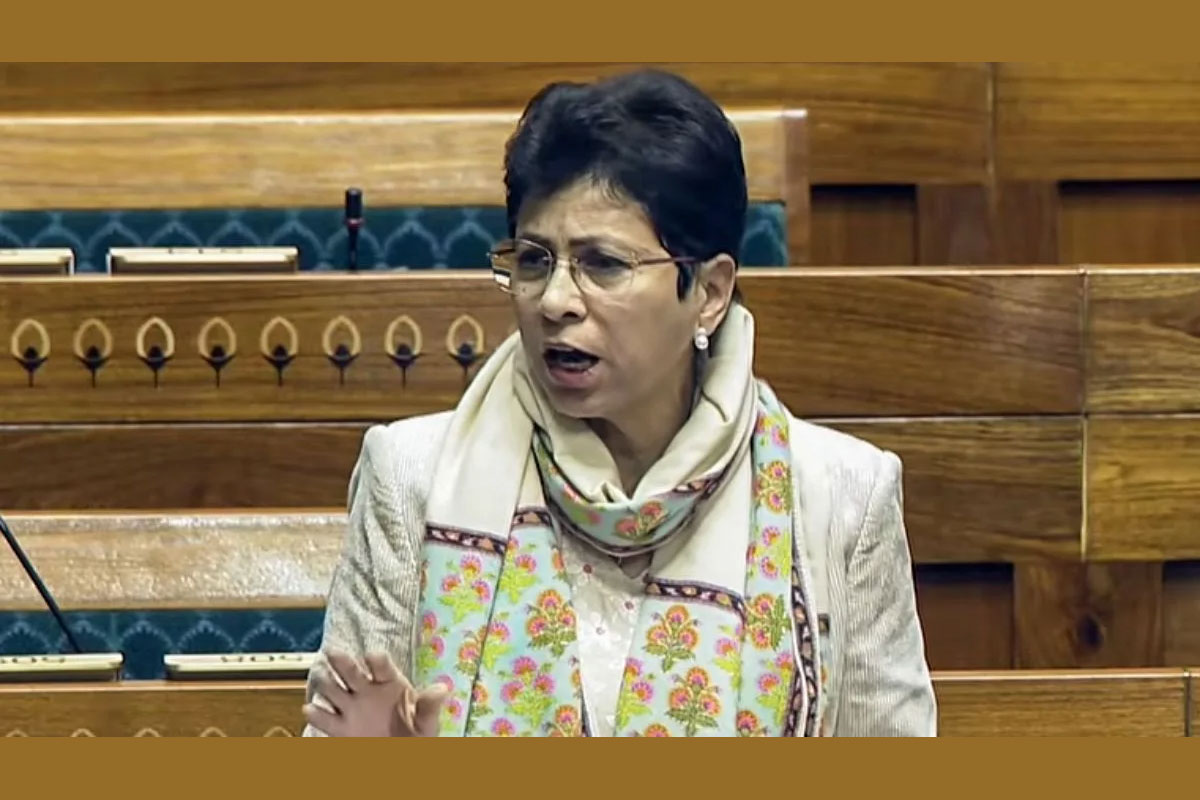
The Opposition to the new electricity tariffs implemented by the Haryana government with effect from April 1, 2025, is intensifying. The General Secretary, All India Congress committee and Sirsa MP Kumari Selja termed the fixed charge anti-people, stating that the decision places an unnecessary financial burden, particularly on the middle class and domestic consumers.
Selja said that charging a fixed amount despite low electricity consumption is entirely unjustified. At a time when families are already struggling with rising expenses on inflation, education, and healthcare, the government has imposed what amounts to forced recovery in the name of electricity charges. She added that this policy is not consumption-based but a direct assault on the public’s pockets.
Questioning the government’s “Har Ghar Solar” scheme, she said that on one hand the government claims to provide free electricity, while on the other hand consumers who install solar systems at their own expense are still being charged thousands of rupees every month as fixed charges. Selja said the solar consumers generate electricity themselves and reduce the burden on the state’s power infrastructure. Despite this, levying fixed charges on them highlights the government’s policy failure and double standards. Ironically, if a solar consumer generates more power than they consume, they receive no benefit, but in any month when consumption exceeds generation, they are forced to pay the full bill along with fixed charges. Selja warned that such policies would discourage the adoption of solar energy and deter people from installing solar systems in the future.
Selja demanded that the fixed charge imposed on domestic consumers be withdrawn immediately and that consumers who have installed solar systems be completely exempted from fixed charges. She also called for making the solar policy simpler, more transparent, and genuinely people-friendly. She said that if the government does not reconsider its anti-people decisions, the Congress will raise this issue from the streets to the Assembly.