



Chandigarh, February 13
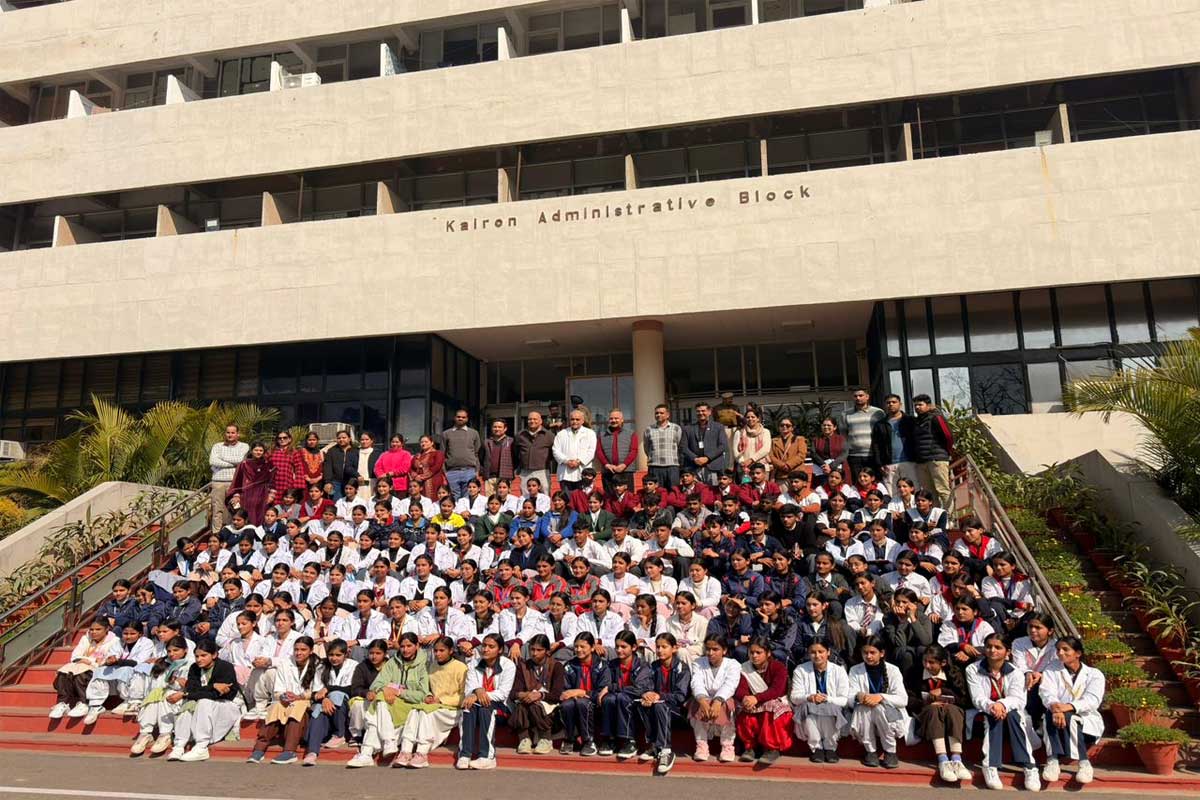
The Postgraduate Institute of Medical Education and Research (PGIMER), Chandigarh recently concluded a meaningful outreach and health awareness initiative that welcomed nearly 800 school students from different districts of Himachal Pradesh between February 7 to 13. Spread across four carefully planned batches, the visits allowed students to experience the hospital environment closely while ensuring that routine patient care continued smoothly.
More than just an institutional tour, the programme was designed to help young minds understand healthcare as a shared responsibility. Students were introduced to SARATHI, PGIMER’s flagship voluntary service initiative, and were sensitised to the importance of organ donation, blood donation and eye donation—learning how informed citizens can strengthen the healthcare system.
Addressing the students, Prof. Vivek Lal, Director, PGI spoke about the power of prevention and awareness, stating, “Healthcare begins much before a patient enters a hospital. Awareness about balanced nutrition, physical activity, mental well-being and healthy lifestyle choices at a young age plays a decisive role in preventing chronic diseases and reducing future healthcare burden. By exposing students to the realities of public healthcare, we are investing in a more informed and responsible generation.”
Elaborating on Project SARATHI, Director PGIMER explained how the initiative meaningfully engages young volunteers in patient facilitation and support services through clearly defined roles and guided supervision. “SARATHI has demonstrated how youth, when guided with clarity, discipline and responsibility, can become valuable partners in strengthening patient-centric care within public institutions while cultivating empathy and civic commitment at an early age,” Prof. Lal highlighted.
Pankaj Rai, Deputy Director (Administration), PGIMER, who spearheaded the initiative and coordinated closely with all concerned departments to ensure its smooth execution, emphasised that the visits were carefully structured to balance educational exposure with hospital discipline as he said, “Organising students in phased batches ensured meaningful engagement while maintaining patient convenience and uninterrupted services. Such initiatives help young learners understand the scale of public healthcare delivery and appreciate the importance of structured voluntary service in supporting complex hospital systems.”
Detailing further, Rai said, “During the visits, students walked through selected OPDs and patient facilitation areas, witnessing first-hand the scale and coordination required to manage thousands of patients each day. The experience helped them appreciate how doctors, nurses, administrators and volunteers work together to ensure compassionate and efficient care.”
For many students, the visit was transformative. Manavi, a Class XII student from Government School, Shimla, shared, “This visit changed how I look at hospitals. We understood how many people work together to help patients and how important awareness about health and donation is. It made us feel that even as students, we can contribute to society.” Her thoughts resonated with many others who described the experience as an eye-opener beyond textbooks and classrooms.
The initiative reaffirmed PGIMER’s commitment to preventive health education, youth engagement and community partnership—strengthening the belief that healthcare is not confined to hospital walls but begins with awareness, empathy and responsible action.