



New Delhi/Chandigarh, December 5
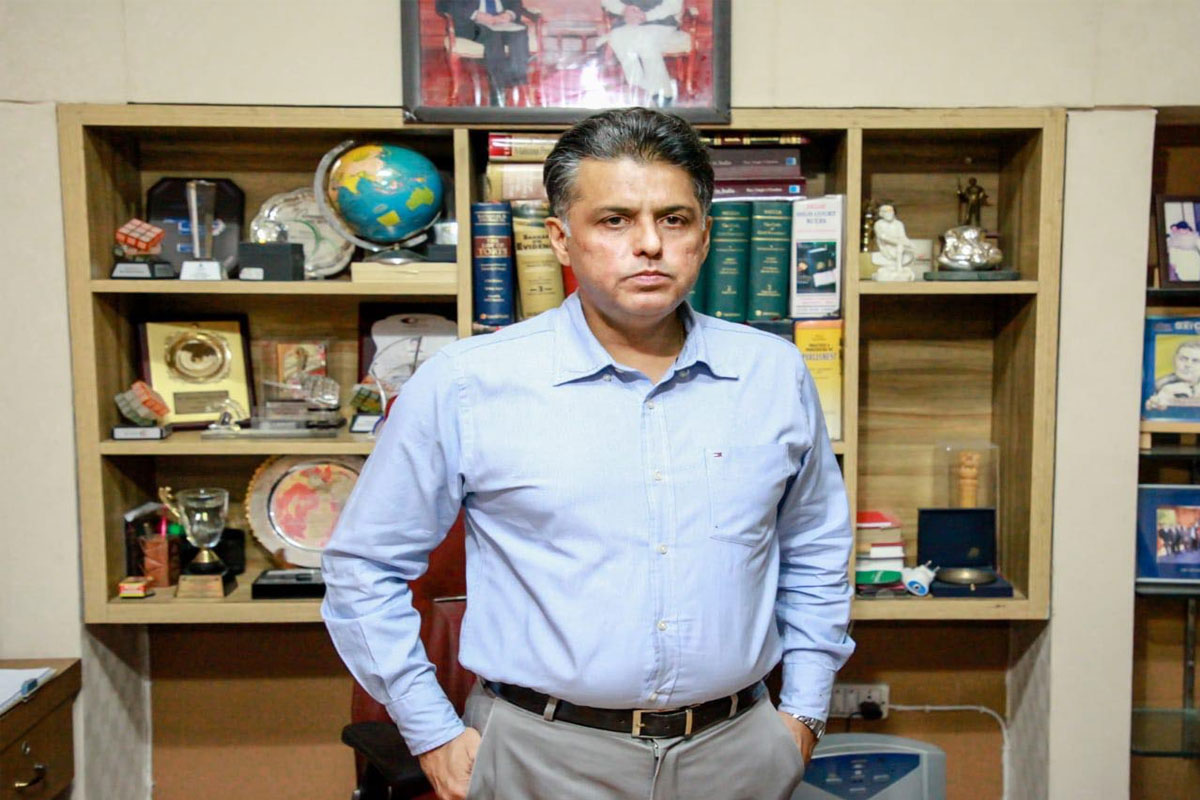
Chandigarh MP Manish Tewari on Friday introduced a significant Private Member’s Bill in the Lok Sabha proposing to extend the tenure of the Mayor, Senior Deputy Mayor and Deputy Mayor of the Chandigarh Municipal Corporation from the current one year to five years. The Bill seeks amendments to the Punjab Municipal Corporation Law (Extension to Chandigarh) Act and related provisions to bring the tenure of the three top municipal posts at par with the five-year term of the Municipal Corporation itself.
Objective of the Bill is ensuring “Continuity of Governance”. The primary aim of the Bill is to provide administrative stability, strengthen urban governance and ensure long-term planning for Chandigarh.
Notably, under the existing system, the Mayor, Senior Deputy Mayor and Deputy Mayor serve only a 12-month term. Because of the leadership changes every year, the major development projects face discontinuity, vision and administrative direction shift frequently, political instability and annual contestation hamper governance.
The proposed 5-year tenure aligns Chandigarh with governance models of several major Indian municipal corporations and international urban local bodies.
Tewari while emphasizing that Chandigarh needs stable leadership introduced the Bill and argued that Chandigarh is a modern, fast-growing urban centre where key projects — particularly in infrastructure, waste management, choe rejuvenation, mobility, housing reforms, and environmental restoration — require multi-year continuity. He noted, “A one-year mayoral term is far too short for a city of Chandigarh’s scale, annual leadership change disrupts execution and accountability and a 5-year term will provide the stability needed to implement long-term development strategies.”
Listing key provisions in the Bill, Tewari informed, “Five-year tenure for Mayor, Senior Deputy Mayor and Deputy Mayor. All three positions would hold office for the full five-year duration of the Municipal Corporation’s term.” The Bill seeks alignment of election procedures, rules for vacancy, removal and no-confidence motions, administrative powers attached to the posts, continuity of ongoing projects and policy frameworks with the proposed five-year structure, ending yearly political churn.
The Chandigarh MP also pointed out that the current system of electing a new Mayor every year often leads to political instability, party-wise cross voting disputes, administrative delays, increased scope for backroom bargaining. “A 5-year term aims to end such annual turbulence”, he asserted.
The major political and administrative impact if the Bill if enacted would trigger a structural transformation in Chandigarh’s municipal governance. “It would eliminate yearly mayoral elections and associated political friction, strengthen long-term urban planning, bring continuity to major civic initiatives like choe rejuvenation, mobility plans, Smart City projects, housing reforms and sewerage upgrades, enhance accountability by allowing one leadership team to see projects through from conception to completion”, he said. The Urban governance experts see this as potentially one of the most significant reforms in the history of the Chandigarh Municipal Corporation.
As a Private Member’s Bill, it will require government backing, support across party lines in Parliament and a possible examination by a Parliamentary Standing Committee. Despite the legislative hurdles, the proposal has already generated wide discussion in Chandigarh’s political and civic landscape and is being viewed as a consequential reform proposal.