



As the state enters into the “election year”, multiple chief ministerial ambitions within the Punjab Congress have sparked off a debate over the “factionalism” in the party. There indeed are many claimants and aspirants for the chief ministerial chair, but so far, these have not turned into factional feuds. That is the saving grace for the party.
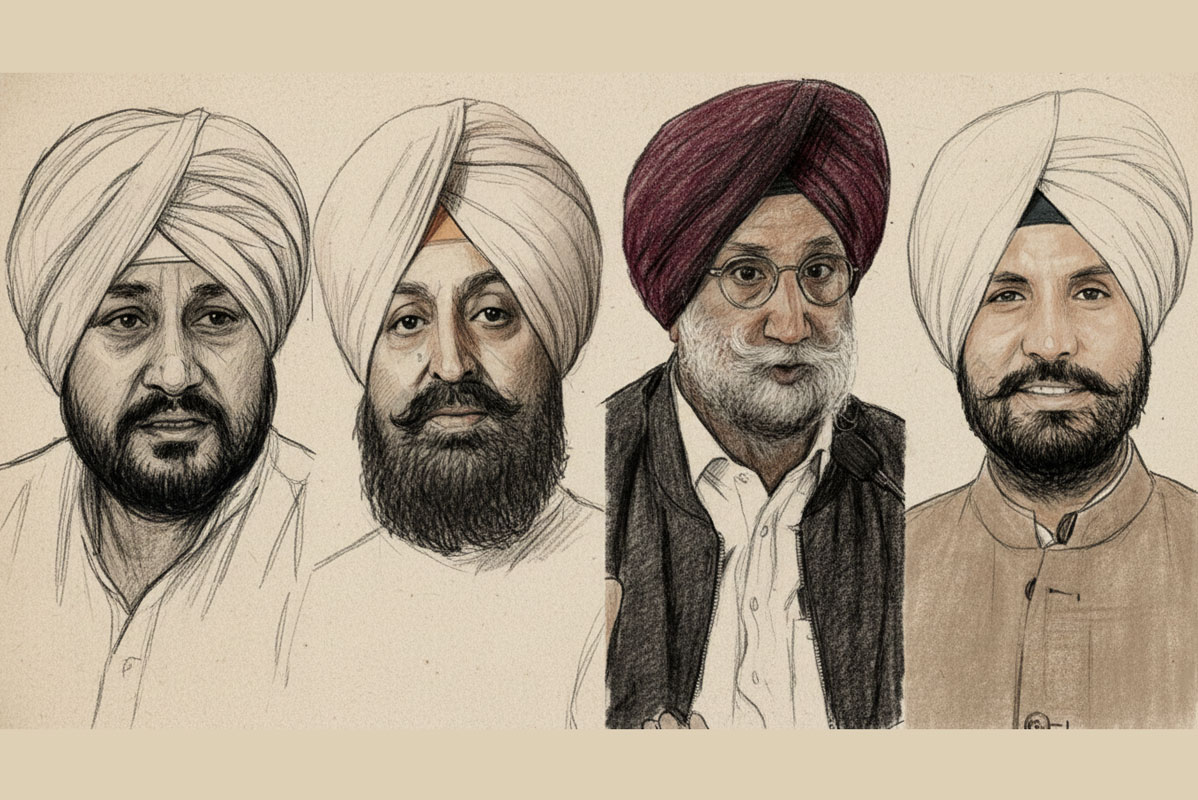
While so far there was nothing open about the clashing ambitions of the leaders, on Saturday, former Chief Minister Charanjit Singh Channi went public with his outcry against, what he claimed, the Jat Sikh dominance in the party. He referred to the appointment of the PPCC president, the Congress Legislative Party leader and the state unit president of the National Students Union of India, all of whom, he said, were Jat Sikhs.
This has led to widespread outrage within the party with even leaders from other Scheduled Caste sub-sects like Valmikis criticizing him. Channi, himself an SC, was made the Chief Minister by the Congress in 2021 after the unceremonious removal of Capt. Amarinder Singh, despite not a single MLA having favoured him (Channi) for the post.
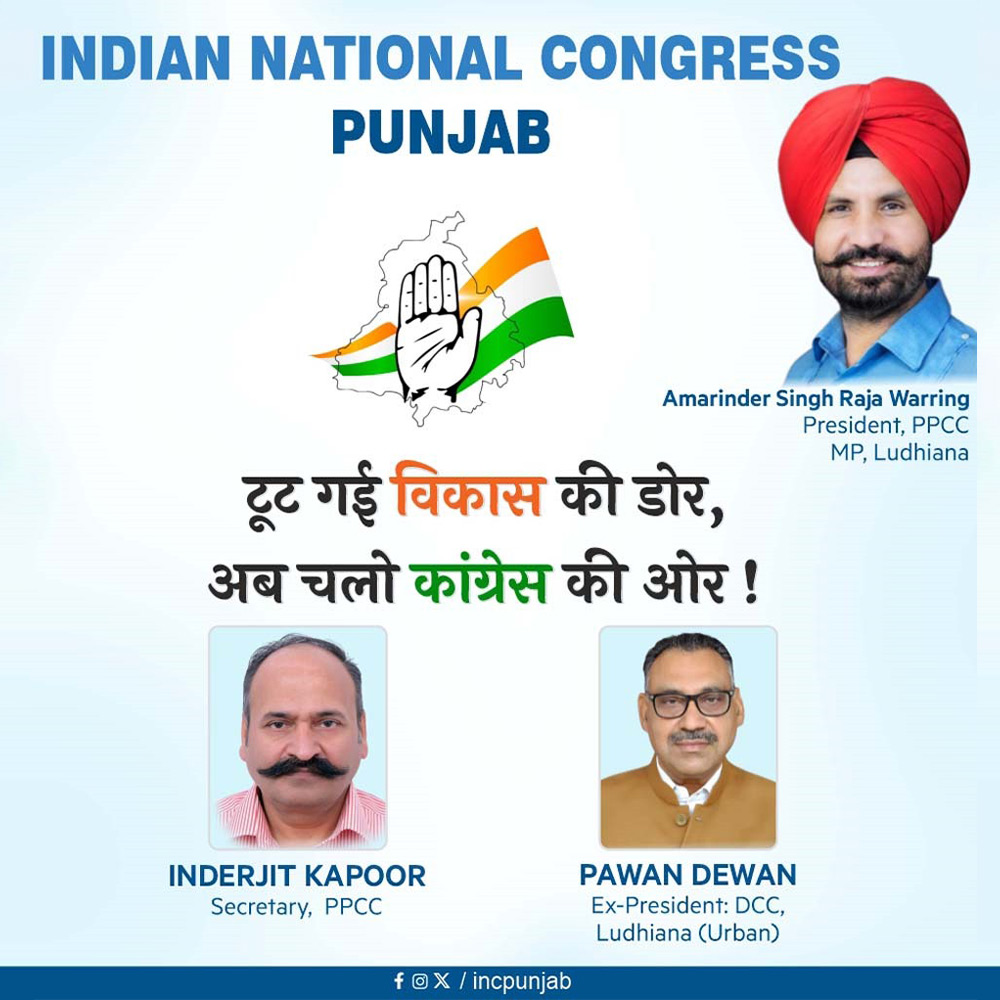
Channi’s caste angle aside, there are strong factions within the Jat Sikh community leadership as well. The PPCC president Amarinder Singh Raja Warring, Leader of Opposition Partap Singh Bajwa and former Deputy Chief Minister Sukhjinder Singh Randhawa are also nourishing Chief Ministerial ambitions. Warring, however, has been repeatedly claiming that he is not in the race for the Chief Minister’s position. But the very fact that he is the PPCC president qualifies him to be among the probables.
There is always a positive side of such chief ministerial ambitions. Greater the chances and probability of the party winning the elections, greater is the number of chief ministerial aspirants. Since it will be after so many elections that the party will not be announcing a chief ministerial face, there will naturally be more aspiring and ambitious leaders in the fray. There is nothing wrong with that.
The party leaders have a reason to feel optimistic about the prospects of winning. As of now, the ruling Aam Aadmi Party is faced with strong anti-incumbency. This is not exclusive to the AAP government. Anti-incumbency is an integral factor in Punjab politics. Rarely do governments in Punjab get reelected. More popular mandate the incumbent government has, greater the anti-incumbency sentiment and greater the chances of its losing the elections. Even after the AAP government provides the promised Rs 1000 to women, it may not make much difference, since the AAP does not have any “core voter base” in Punjab. It never cared to build up the organization and the cadre.
The Shiromani Akali Dal still remains in the margins and does not pose any significant challenge at this stage. Although the party is on a comeback mode, but it is not yet a formidable force and more so if it has to go it alone in the elections.
The Bharatiya Janata Party also remains restricted within the urban pockets with vast countryside still inaccessible for it in terms of getting the votes. However, the BJP can take solace in the fact that there is no hostility against the party in the rural areas as was seen during 2022 assembly elections when its leaders were not even allowed to campaign in the villages.
Right now, the Congress remains a favourite in Punjab. The local bodies’ and the bye-election results notwithstanding, the party performed outstandingly better than everyone else in the 2024 General Elections winning seven of the thirteen parliamentary constituencies. It led from 37 assembly segments while the ruling AAP won just three parliamentary seats and led from 33 assembly segments. The situation still remains the same with Congress still retaining an edge.
As the state enters into the decisive year ahead of elections, the Congress will need to set its house in order. There have been clashes due to the chief ministerial ambitions in the past as well with stalwarts like Capt. Amarinder Singh and Rajinder Kaur Bhattal having rival ambitions, yet the party sailed through.
Though contrasting chief ministerial ambitions ahead of the elections have always been part of the Congress culture, these have never affected its winning prospects in the past. But it is not necessary that the party may always end up lucky. So far, these contradictory and contrasting ambitions have not turned into factional feuds. That is the saving grace for the party but these create bad optics as the perception of the party being a “divided house” grows to its disadvantage, which it must avoid at all costs.
(Views expressed are personal.)