




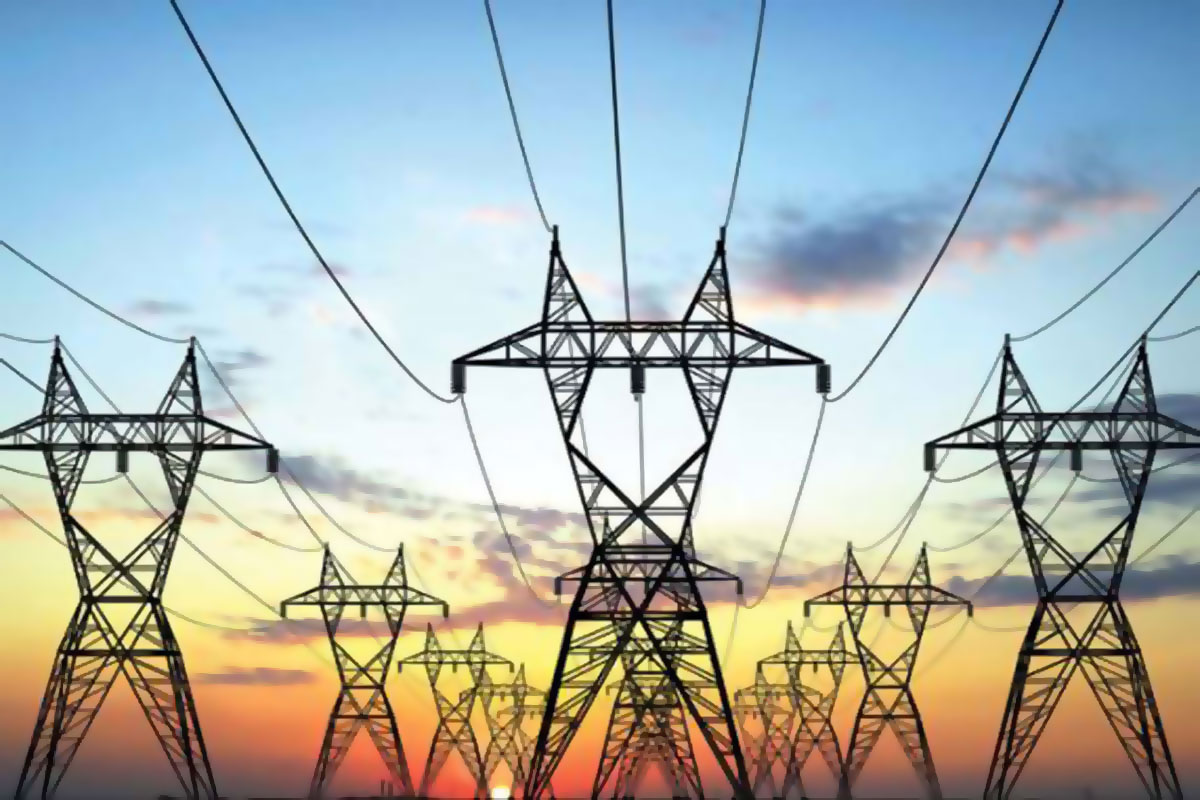
 The Punjab power sector is passing through one of the most turbulent phases in its history, with unprecedented political interference eroding its independence and professionalism. In the past few months, ever since Cabinet Minister Sanjeev Arora assumed charge as the new Power Minister, the intrusion of non-technical consultants into the functioning of Punjab State Power Corporation Limited has intensified, with consultants posted at zonal levels to oversee PSPCL’s working despite lacking any expertise in the power sector. This has undermined the authority of engineers and diluted the technical autonomy of the corporation, while procurement, operations and even Board decisions are increasingly being influenced by political diktats rather than professional judgment. The minister has gone so far as to demand that PSPCL management present all power purchase cases, tightening political control over technical processes and creating an atmosphere of surveillance and pressure.
In response, employees, engineers and pensioners have united under the Joint Action Committee (JAC) and announced zonal-level protests beginning with the new year, a rare show of solidarity that reflects the deep concern across the sector about the erosion of institutional professionalism. At the same time, the Punjab Government, short of funds, is planning to generate resources by selling valuable properties belonging to PSPCL and PSTCL, including 50 acres of land in Ludhiana and 55 acres in Patiala. Senior PSPCL officers have strongly opposed this proposal, warning that it jeopardizes the future of the state’s power infrastructure, but their resistance has been met with arbitrary action. The government has suspended and removed the Director (Generation) on baseless and technically incorrect grounds, a move widely seen as an attempt to create insecurity among engineers and silence professional voices that dare to resist political overreach.
Punjab, which was the first state to acquire a private thermal plant under the state sector, had proactively announced the establishment of the 2 × 800 MW Ropar supercritical project to enhance generation capacity and ensure future energy security. Now, however, the establishment of these units is being envisaged in the private sector instead of the government sector, a reversal that threatens the state’s long-term energy independence. In another controversial move, the Punjab Government has appointed an IAS officer of the Secretary level to the post of CMD and subsequently made illegitimate amendments in violation of the tripartite agreement, a decision that has been categorically rejected by engineers, employees and pensioners.
Adding to these concerns, the Punjab Government failed to send any comments on the proposed Electricity (Amendment) Bill 2025, a bill that dilutes the role of state governments in power sector decision-making despite electricity being a subject on the concurrent list. This silence has been interpreted as acquiescence to a dilution of state authority in a sector vital to Punjab’s future. Taken together, these actions represent grave threats to the stability and autonomy of the state power sector. The Joint Action Committee has strongly condemned the arbitrary decisions and growing political interference in PSPCL, warning that the recent moves have undermined technical integrity, professional dignity and institutional processes. The struggle unfolding today is not merely about administrative control or property but about defending the credibility and autonomy of a sector that powers Punjab’s progress and about ensuring that professionalism, integrity and independence remain the guiding principles of the state’s energy future.
V.K.Gupta is a Power Sector Expert and Media Advisor, All India Power Engineers Federation (AIPEF). Views expressed are personal.