




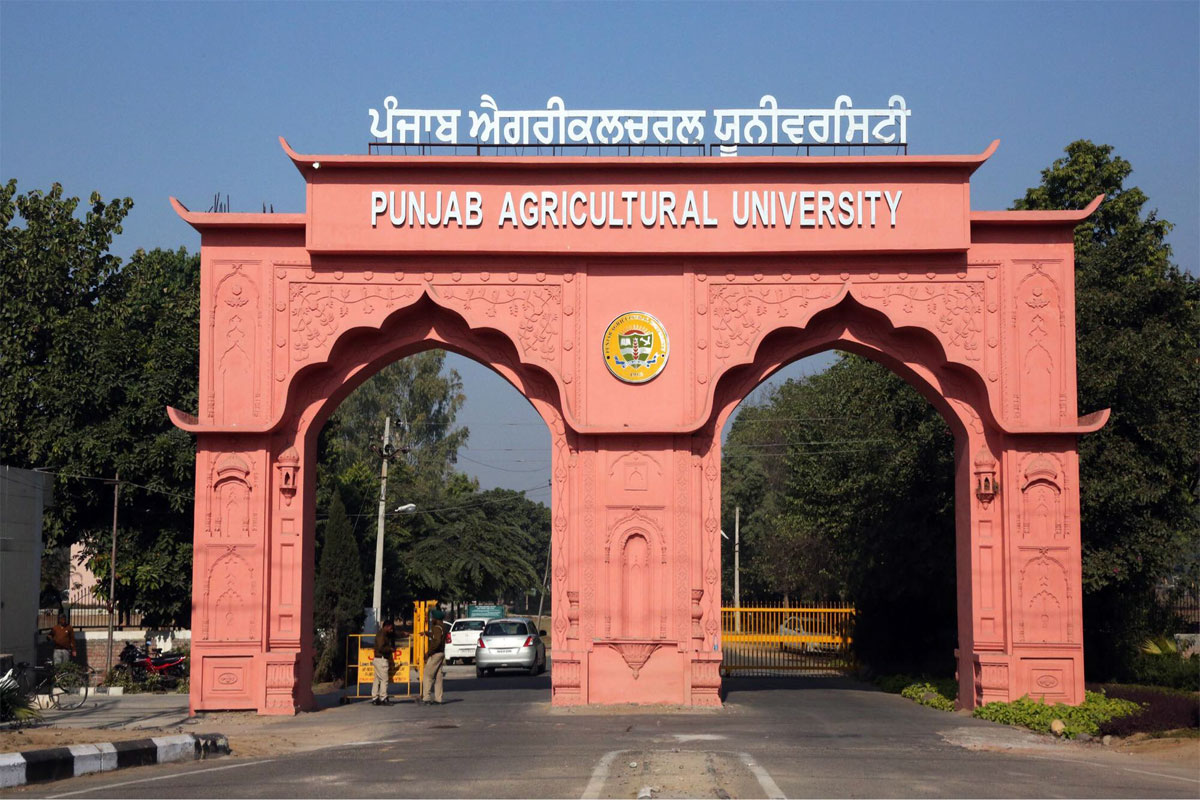
By Rajeev Sikka and A.S. Dhatt
Global disruptions in energy and fertilizer supply chains have once again exposed the vulnerability of India’s agricultural system. Recent tensions in the Middle East have disturbed the supply of liquefied natural gas (LNG), a key input for domestic fertilizer production, raising concerns ahead of the upcoming kharif season. India’s heavy dependence on imports-not only for LNG but also for fertilizers such as urea, diammonium phosphate (DAP) and muriate of potash (MOP)-further amplifies the risk of supply instability.
At a time when cropping decisions and input planning are important, any disruption in fertilizer availability will directly affect farm productivity and input costs. In Punjab, where rice remains the dominant crop across large areas (31.68 lakh ha which requires ~ 7.3 lac ton urea) in the coming Kharif season, timely and adequate fertilizer supply remains essential. However, the current scenario is marked by rising prices, uncertain availability, and increasing pressure on the agricultural sector. In this context, it becomes necessary to examine the challenges related to fertilizer availability and adopt a more balanced and scientific approach.
Fertilizer consumption scenario and alternatives
Fertilizer consumption in India is largely skewed towards nitrogenous fertilizers, particularly urea, which dominates overall nutrient use. This imbalance has persisted over time due to price distortions, assured availability, and subsidy-driven preferences, often leading to sub-optimal application of phosphorus and potassium. As a result, the recommended N:P:K ratios are rarely followed, affecting nutrient use efficiency and long-term soil health.
With the onset of the kharif season, fertilizer demand increases sharply, particularly for rice cultivation, which dominates large areas of Punjab. Although the government has assured sufficient availability of urea and NPK fertilizers, concerns persist. Despite these encouraging figures, the anticipated shortfall in nitrogenous fertilizers cannot be overlooked, primarily because reduced availability of natural gas affects domestic urea production and limited imports further aggravate the situation.
This situation calls for immediate adaptive strategies at the farm level to optimize fertilizer use. Punjab Agricultural University recommends application of two bags of urea per acre in rice; however, farmers often apply three to four bags or even more. Such excessive use can be reduced through balanced fertilization, which can help reduce unnecessary demand while maintaining productivity. Crop diversification also offers a practical solution. Inclusion of low-nitrogen- requiring crops such as summer moong, summer mash (urd), and main season pulses can reduce fertilizer demand. These crops not only require less nitrogen input but also have the ability to fix atmospheric nitrogen through biological processes, thereby naturally enriching soil fertility. Incorporation of summer moong residues, for instance, can save upto 16 kg N per acre for the succeeding rice crop. In areas facing water and fertilizer constraints, soybean may serve as an alternative to rice, requiring less water and only 12.0 kg N per acre while also contributing to the improvement of soil fertility.
In fact, green manuring is another effective approach that should be promoted on a large scale, as it is helpful in compensating 50% of N to the rice, maize and other kharif crop instead of synthetic fertilizers. Green manures such as Dhaincha (Sesbania aculeate), Sunnhemp (Crotolaria juncea) should be sown using 20 kg seed per acre immediately after wheat harvest and incorporate 6-8 weeks old crop into the soil before rice transplantation. This practice saves 50% N application and also improves soil organic carbon, enhances microbial activity, and increases overall nutrient availability. In areas under Basmati rice, urea application is not required if the field has been green manured with 45-55 days old sunnhemp/dhaincha or incorporation of summer moong straw has been carried out after picking of pods. Wider adoption of these practices would require supportive government policies. Providing Minimum Support Price (MSP) for pulses like moong would encourage farmers to include them in their cropping systems, while supplying green manure seeds free of cost or at subsidized rates would further promote the adoption of sustainable soil management practices, which will ultimately reduce the reliance on synthetic chemical fertilizers.
Farmers must adopt strategies such as soil test based fertilizer application, to ensure efficient and balanced nutrient use. Blanket recommendations should be avoided, as they often result in either overuse or underuse of nutrients. Fertilizers should be applied preferentially in fields with low soil organic carbon, where crop response is generally higher. For instance, if the soils are low in organic carbon, increase the dose of nitrogen by 25% over the general recommended dose for medium organic carbon soils, whereas in high organic carbon soils, lower this dose by 25%.
Skip application of Diammonium phosphate (DAP) in rice and other Kharif crops as phosphorus is not recommended in Kharif crops. Instead, DAP should be conserved for wheat and other Rabi crops. As an alternative, single super phosphate (SSP) can be used as a phosphorus source, which also supplies sulfur, an essential secondary nutrient required for crop growth.
Organic nutrient sources should be integrated into nutrient management practices. Application of organic manures such as farmyard manure (FYM) and compost, along with the incorporation of crop-residues (rehnd-khund) into the soil. These practices play a significant role in improving soil health, enhancing nutrient cycling and reducing dependency on chemical fertilizers. Application of FYM at 6 t per acre can save approximately 16 kg N in rice. Similarly, application of 2.5 t per acre of poultry manure or 2.4 t per acre of dried gobar gas plant can reduce N requirement in rice by 50% and 32%, respectively, while also lowering N requirement in wheat by 25% and fertilizer P dose by 50%.
Collectively, these measures can reduce dependence on nitrogen fertilizers, ease supply pressures, and sustain productivity while improving soil health in the long run.
Way forward
While the government has ensured relatively better fertilizer stocks this season, long-term sustainability will depend on reducing excessive reliance on nitrogenous fertilizers. This requires a shift from input-intensive practices towards more efficient and need-based nutrient management.
Efforts should focus on promoting balanced fertilization through policy support, strengthening soil test-based recommendations, and creating incentives for adopting nitrogen-saving practices such as crop diversification, green manuring, and use of organic inputs. Ensuring wider access to these alternatives and improving farmer awareness will be important for achieving meaningful reductions in fertilizer use.
In conclusion, the coming Kharif season presents both challenges and opportunities. With timely policy support and informed decision-making, it is possible to maintain productivity while reducing input costs and preserving soil fertility.
(Rajeev Sikka is Head, Department of Soil Science, Punjab Agricultural University, Ludhiana and A.S. Dhatt is Director of Research, PAU, Ludhiana)