




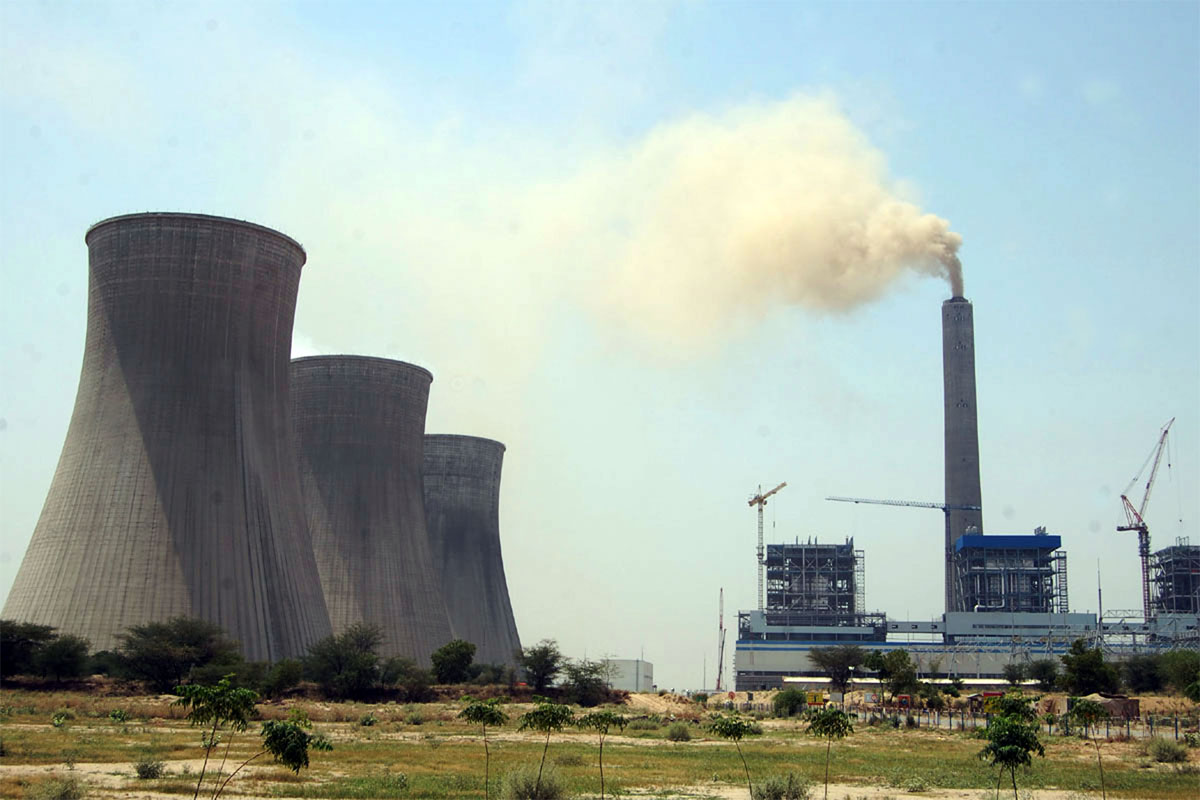
 Punjab’s power story this summer is shaping up to be a test of endurance — both for its infrastructure and its governance. On paper, the state boasts an availability of 15,555.47 MW from its mix of thermal, hydro, solar, central allocations, BBMB and independent power producers. But the reality is far less reassuring. Thermal plants rarely run at full throttle, hydro generation is hostage to reservoir levels and the practical ceiling is closer to 14,500 MW. Against this backdrop, Punjab State Power Corporation Limited (PSPCL) banking arrangements with other states may add 3,000 MW, nudging availability to 17,500 MW. Yet, with demand projected to breach 18,000 MW amid a weak monsoon and searing heat wave, Punjab is staring at a summer where the arithmetic of power supply and demand simply does not add up.
As per the figures available from the Punjab State Load Dispatch Centre (PSLDC), Punjab’s total power availability from all sources — including its own thermal, hydro and solar generation, besides central sector allocation, Bhakra Beas Management Board (BBMB), Independent Power Producers and others — stands at 15,555.47 MW. (For Complete Break-Up, See Table). Yet, this figure is more theoretical than real. Thermal plants rarely operate at a full 100% load, usually generating at around 90% Plant Load Factor, while hydro generation is entirely dependent on reservoir water levels. In practical terms, Punjab’s actual availability is unlikely to exceed 14,500 MW.
To manage this fragile balance, PSPCL is learnt to have scheduled 3,000 MW under banking arrangements with nearly half a dozen states, including Uttarakhand and Himachal Pradesh. In simpler terms, Punjab supplies power to hill and some southern states during winters and receives the same back during summers — a system technically referred to as “banking.” Even if Punjab receives the full 3,000 MW under this arrangement, the total availability would rise to around 17,500 MW.
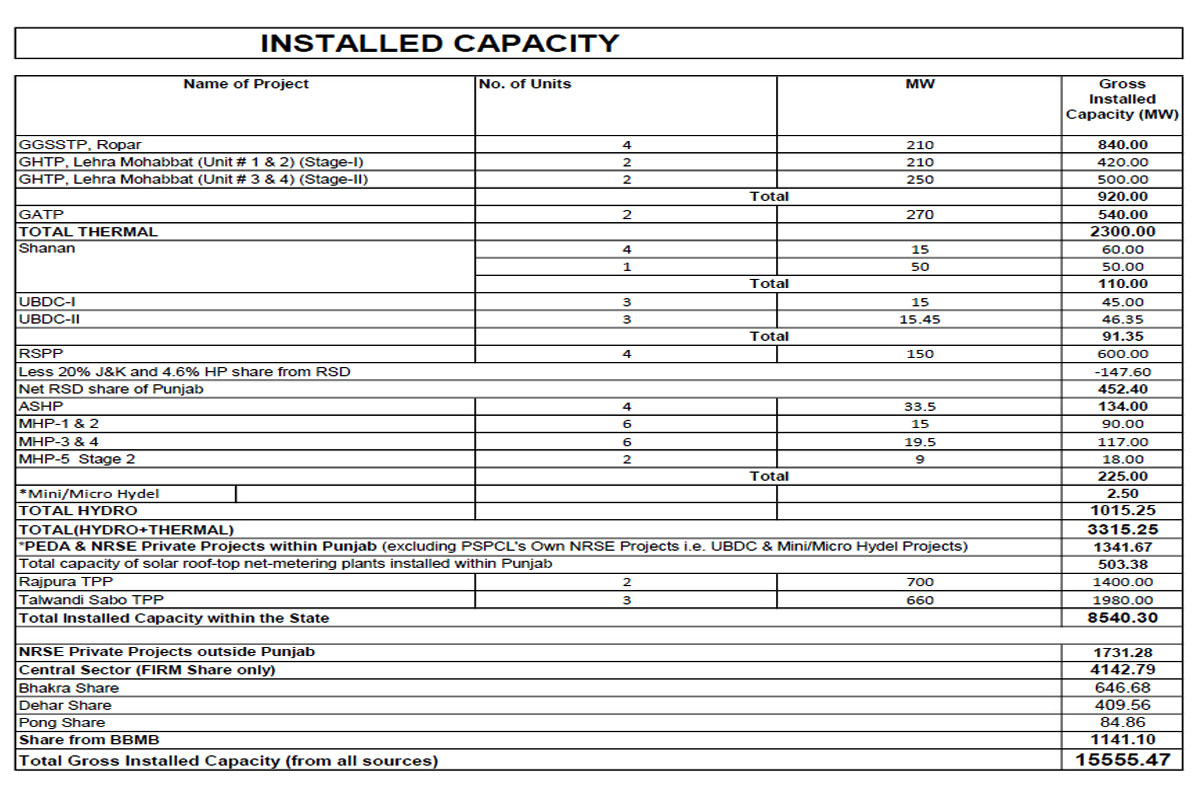 Data Source: Punjab State Load Dispatch Centre
But here lies the crunch: last year, Punjab’s peak demand had already touched 17,233 MW. This year, projections indicate demand will breach the 18,000 MW mark, driven by a weak monsoon and an unforgiving heat wave. Experts warn that if demand spikes to 18,500 MW during peak summer, PSPCL will still be short by nearly 1,000 MW.
The only way to bridge this gap is through short-term power purchases from the open market. However, this option collides head-on with Punjab’s precarious fiscal reality. The state government, running on loans with coffers virtually empty, faces the daunting question: from where will it generate the funds to buy power?
The contrast with earlier regimes is stark. During Capt. Amarinder Singh’s tenure, the government routinely purchased short-term power from the open market, spending anywhere between ₹500 crore to ₹1,000 crore, ensuring that domestic, industrial and agricultural consumers did not suffer outages. Today, however, the situation is dramatically different. The government is struggling to pay salaries on time, its finances are crippled, and it is surviving on borrowed money.
This leaves the state in a fragile situation: either the cash-strapped government takes on more loans to purchase power or it leaves consumers to bear the brunt of crippling cuts. The bottom line is that Punjab is staring at a summer of discontent, where the government’s fiscal paralysis may force households, industries and farmers to endure hours of darkness.
(The author is the Editor of the website www.thenewsgateway.com. Views expressed are personal.)