




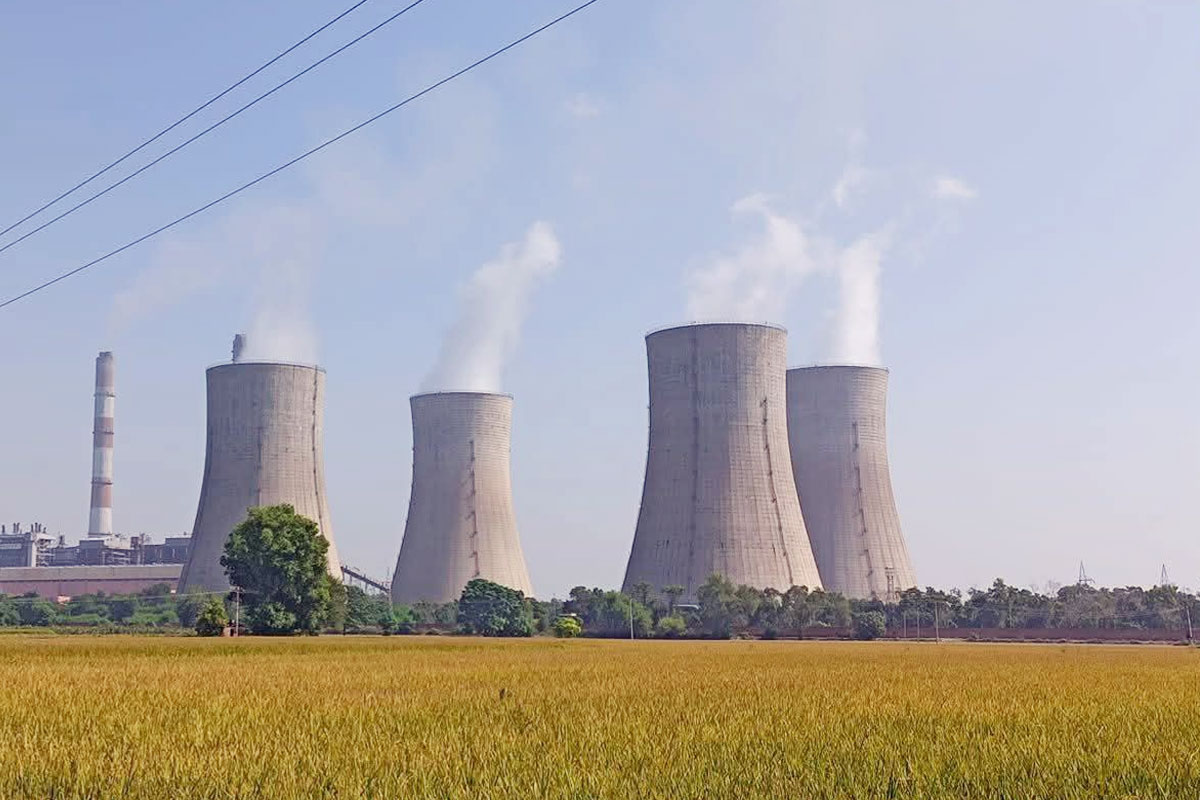

With Punjab State Power Corporation Limited (PSPCL) now enforcing daily power cuts lasting a staggering 8 to 10 hours across the state, the grim reality of Punjab’s energy crisis stands brutally exposed. Despite a declared availability of nearly 14,500 MW from various sources including central allocation, the harsh truth is that the AAP Government has failed to take any initiative to expand the state’s power capacity.
From Power Surplus to Powerless: Punjab Sweats Through a Crisis of Broken Assurances
In what can only be described as either an ill-conceived move or a deliberate attempt to mislead the public, PSPCL has issued a public notice announcing scheduled electricity cuts from April 21 to 28 across Punjab’s major cities — Ludhiana, Jalandhar, Amritsar, Bathinda and Patiala. The outages, according to PSPCL, will last a staggering 8 to 10 hours daily.
What defies logic is the justification offered. The Power Corporation claims the cuts are necessitated by “maintenance/fault of the Distribution System.” Yet, power experts point out that such maintenance exercises are traditionally undertaken during the winter months, when demand is low and inconvenience minimal — not in the peak of summer, when temperatures soar past 42°C and households are most vulnerable.
This contradiction raises uncomfortable questions: Is PSPCL genuinely grappling with distribution faults or is this explanation a convenient cover for deeper systemic failures? If Punjab truly has an availability of nearly 14,500 MW from various sources, as the government repeatedly asserts, why then are residents being forced to endure crippling outages?
The timing and reasoning simply don’t add up. Instead of transparency, the people are left with a narrative that appears less like technical necessity and more like bureaucratic obfuscation. For families sweltering in the heat, the distinction is academic — the reality remains hours of darkness and discomfort, while the state’s promise of being “power surplus” rings hollow.
What is most alarming is that Punjab’s scheduled power cuts have collided head‑on with the onset of an intense heat wave. As mercury soars past 42°C, the combination of scorching temperatures and prolonged outages has left citizens “high and dry.” From urban households to semi‑urban clusters and villages, domestic consumers are enduring sleepless nights as hour‑long cuts rob them of even the basic relief of electricity.
Figures tell the story more starkly: Punjab’s maximum demand touched 9,478 MW on Monday, yet PSPCL’s response has been marked by breakdowns, technical snags and crippling outages. Instead of preparedness, what stands exposed is the ill‑equipped state of the Power Corporation to handle summer demand.
The contradiction is glaring — a state that claims to be “power surplus” is now forcing its people to sweat through endless hours of darkness. The heat wave is merciless but the real sting lies in the failure of governance and planning. Punjab’s power crisis is no longer about numbers; it is about the lived misery of its people, abandoned to endure the summer without light, without comfort and without answers.
Reports from all the parts of the Punjab indicate the problem of erratic power supply. Speaking to The News Gateway, Media Advisor of All India Power Engineers Federation (AIPEF) V.K.Gupta, said, “Punjab has capacity of 14,500 MW. It is really surprising and beyond understanding that why the power cuts are being imposed when the demand is less than the power availability.” He too said that excuse of the maintenance/fault of the Distribution System given by PSPCL completely defies logic as such exercise is always taken during the winter season.
“It is truly astonishing,” says the majority of Punjab’s power consumers. “The government had boldly claimed there would be no power cuts, yet the reality is the exact opposite — the entire state is reeling under a severe power crisis,” said power consumers from various districts, while interacting with The News Gateway.
What makes the situation even more questionable is PSPCL’s explanation. The Corporation insists that technical snags in the distribution system are to blame. But consumers and expert’s alike point out that annual maintenance of distribution networks is always carried out well in advance during the winter months, not in the peak of summer.
This glaring inconsistency has sparked calls for a deeper investigation. Is the “technical snag” narrative merely a convenient excuse to mask the state’s inability to meet demand? Or worse, is it a deliberate attempt to deflect accountability?
The truth is undeniable: Punjab’s households are suffering, its promise of “no cuts” has collapsed and the credibility of the government’s assurances now hangs by a thread. What was projected as stability has unravelled into sleepless nights, sweltering days and a crisis that demands answers rather than excuses.
Meanwhile, projections paint an even grimmer picture. With the paddy transplantation season around the corner, Punjab’s peak power demand is expected to soar to 18,000 MW this year, up from 17,233 MW last year. Traditionally, earlier governments managed such crises by resorting to Short Term Power Purchase Agreements from the open market. But under the present AAP dispensation, that option has all but evaporated — the coffers stand empty, leaving little scope for emergency procurement. In such a scenario, the looming question is chilling: how will the Punjab Government bridge this widening gulf between demand and supply?
Even insiders concede the gravity of the situation. “It is indeed a matter of concern,” admitted a PSPCL official, speaking on condition of anonymity. “How the Corporation will manage to meet the demand when there is no money to purchase power from the open market,” he opined.
In essence, the numbers are stark, the finances bleak and the assurances hollow. Punjab’s power sector is staring at a summer storm — one where rising demand collides with fiscal bankruptcy, leaving the people to sweat through the consequences of promises unkept and planning undone.
Successive Governments Fail to Augment Punjab’s Power Capacity
Another crucial aspect that cannot be ignored is the sheer neglect of successive state governments in augmenting Punjab’s power capacity over the past decade. By thumb rule, the state’s annual demand rises by nearly 500 MW every year. Yet, since the SAD‑BJP regime, neither the Congress government nor the present AAP dispensation has bothered to ensure that capacity was expanded to meet this steadily growing demand. The figures from last year already revealed the peak demand crossing 17,000 MW — a glaring mismatch that makes the crisis inevitable. When demand outstrips availability, PSPCL is left with no option but to impose crippling cuts in both domestic and industrial sectors, leaving households sweltering and industries gasping.
The only escape route lies in short-term power purchase from the open market. But with coffers empty and the government surviving on loans, even that option is unviable. Punjab, once flaunted as a “power surplus” state, now finds itself staring at a widening deficit, its citizens condemned to endure long hours without electricity in the peak of summer.
This is not just a failure of planning — it is a failure of governance across successive regimes. The refusal to invest, expand and secure Punjab’s energy future has turned the promise of surplus into a cruel mirage. The people of Punjab are paying the price for political complacency, and the crisis is only set to deepen unless urgent corrective measures are taken.
It may be mentioned here that Punjab’s power sector today is navigating one of the most turbulent phases in its history, with unprecedented political interference steadily eroding its independence, credibility and professionalism. What was once a system built on technical expertise and institutional autonomy now finds itself shackled by political compulsions, leaving the sector weakened and directionless.
Meanwhile, Punjab — which had once proactively announced the establishment of the 2 × 800 MW Ropar supercritical project to boost generation capacity and secure the state’s long-term energy future — has witnessed a dramatic reversal. Instead of being executed under government control to safeguard public interest, the establishment of these units is now being envisaged in the private sector. This shift not only undermines the original vision of self-reliance but also threatens Punjab’s long-term energy independence, placing the state’s future security at the mercy of private players.
What was meant to be a bold step towards strengthening Punjab’s energy backbone has been reduced to a compromise that risks turning the promise of energy sovereignty into a hollow slogan. The turbulence in the sector, compounded by political meddling and policy reversals, has left Punjab staring at an uncertain future — one where the people may continue to pay the price for decisions driven more by expediency than foresight.
(The author is the Editor of the website www.thenewsgateway.com. Views expressed are personal.)