




Panchkula, May 11
A research team from PGIMER, Chandigarh, conducted a targeted social marketing awareness campaign through a behavioural intervention at Shri Jainendra Gurukul Senior Secondary School, Panchkula, to encourage safe and responsible social media practices among adolescents. The initiative highlighted key challenges associated with the digital age, including the adverse effects of excessive social media use on family relationships, exposure to alcohol-related content, and its influence on adolescent sexual health and well-being.
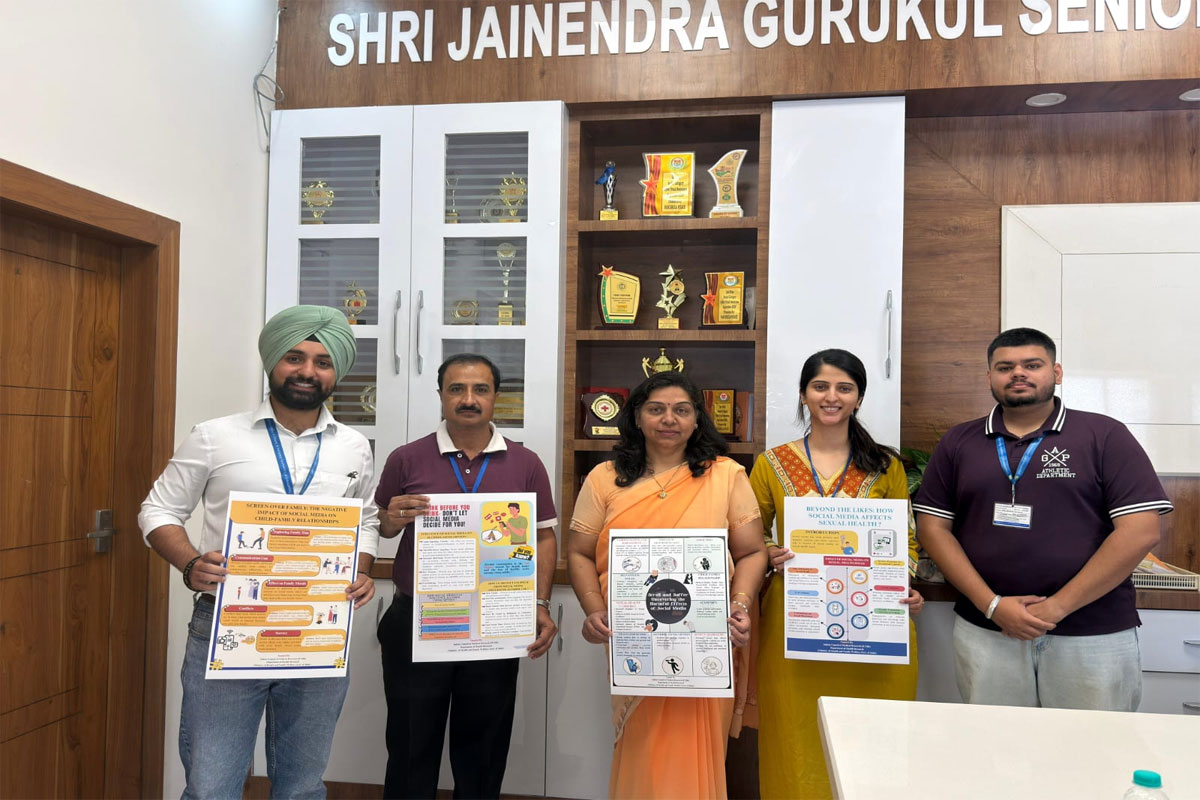
The session was conducted as a key component of a multi-city cluster randomized controlled trial funded by the Indian Council of Medical Research (ICMR) and led by Dr. Tanvi Kiran, Associate Professor at the Department of Community Medicine and School of Public Health, PGIMER, Chandigarh. The interactive one-hour session was delivered by the project team, including Ms. Divya Sharma, Dr. Ashrajdeep Singh, Lakshay Jaglan, and Tamanna. A total of 85 students participated in the one-hour session. Moving beyond conventional lecture-based methods, the intervention actively engaged students from two classes through dynamic presentations and visually engaging poster-based discussions. This participatory approach fostered a supportive environment where adolescents could openly reflect on their social media behaviours and discuss the challenges they face online.
The session was structured around three pivotal themes, each addressing a specific challenge of the digital landscape for modern youth.
The first theme focused on the growing digital strain on child–family relationships, highlighting how excessive screen time can negatively affect direct communication and emotional bonding within families. To address these concerns, students were introduced to practical strategies for establishing healthy “digital boundaries,” including the creation of screen-free zones at home and prioritizing face-to-face interactions to strengthen family connections and promote healthier communication habits.
The second theme examined how social media platforms can normalize alcohol use among adolescents through influencer culture, surrogate advertising, and the “Fear of Missing Out” (FOMO). The session highlighted the health risks associated with early alcohol exposure, including its impact on brain development and the risk of addiction. Students were encouraged to adopt healthy digital practices, use content filters, engage with positive peer groups, and participate in sports and offline activities.
The final theme addressed social media-driven risky sexual behaviors. Adolescents were sensitized to the dangers of sexualized online content, digital misinformation, and the complexities of cyber intimacy. The session placed emphasis on digital responsibility, teaching students how to identify misleading online trends, establish firm personal boundaries, and rely only on credible, professional sources for information regarding their sexual health.
To conclude the initiative, the PGIMER team displayed educational posters on the classroom notice boards. The session ended with an interactive discussion. The session was supported by the school administration, led by Mohita Jain, Principal and Major Singh, Social Sciences teacher. As adolescent digital exposure continues to rise, this initiative offers a scalable model for promoting safe social media use and strengthening adolescent health.