




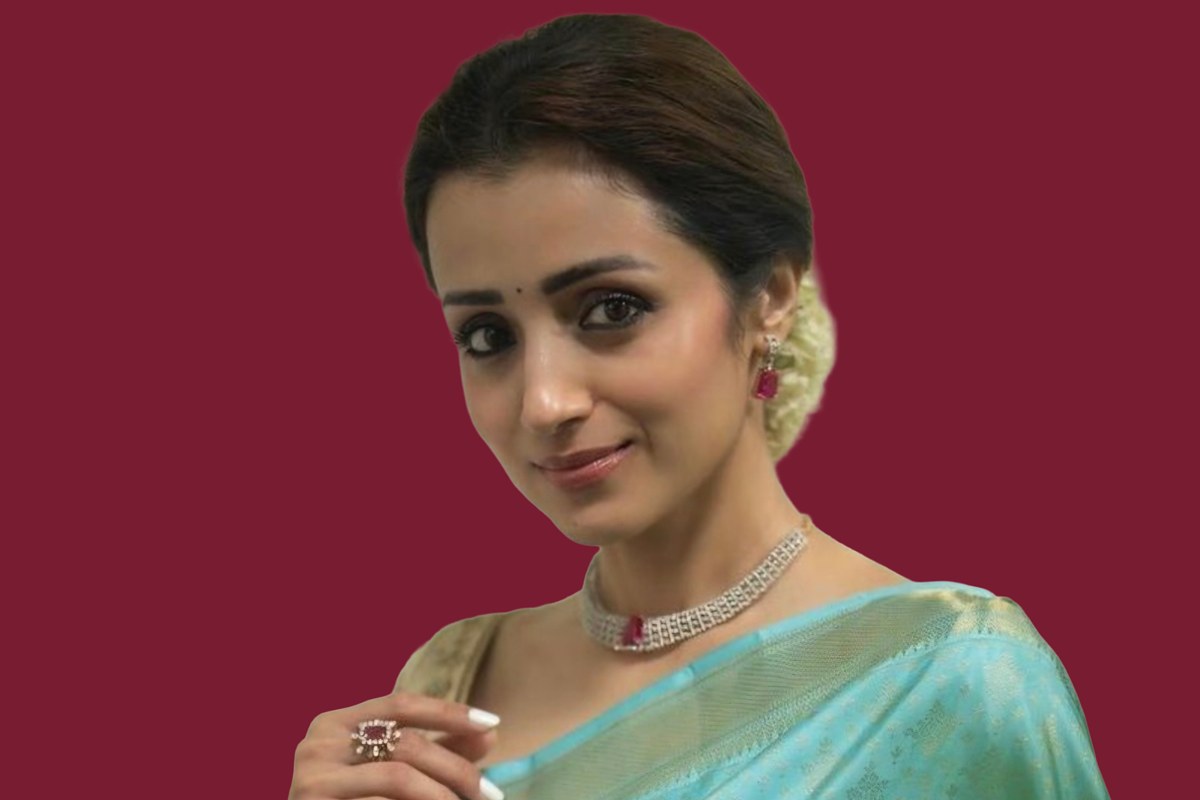
Renowned Actress Trisha Krishnan’s role in the Tamil Nadu Assembly Election 2026 played out like something straight from a movie—her star power blended into the political buzz of the moment. On April 23, she showed up in Chennai’s Abiramapuram to vote and told people, basically, don’t just watch elections happen, go out and make your mark. People were gossiping about her retiring, but she shut that down with a fiery Instagram post: she’s not going anywhere.
Things got even more interesting on May 4—her birthday happened to land on the vote counting day. Trisha visited Tirumala Tirupati Temple, a move people took as a sign of faith, maybe even a subtle nod to Vijay’s new journey into politics. Later, she popped over to Vijay’s place in Chennai, just as his party, Tamilaga Vettri Kazhagam (TVK), started dominating the results. The timing had everyone—from fans to the news—wondering if there was something more to the connection, especially since their on-screen chemistry started feeling like real-life intrigue.
Quickly, her presence was woven into TVK’s rising story. Industry friends like Radikaa Sarathkumar and Charmme Kaur joked that Vijay’s win on her birthday was the “best gift,” calling her a lucky charm. Social media spun stories about how her temple trip and birthday meshed perfectly with TVK’s big moment. In Tamil Nadu, where film and politics don’t just overlap—they’re tangled together—Trisha’s moves were viewed as more than chance; they almost felt scripted.
The election was huge. Tamil Nadu broke records with 85 per cent voter turnout and early votes pointed to TVK smashing through the usual DMK and AIADMK competition. Against all this, Trisha—moving from voting in Chennai, to seeking blessings in Tirupati, to showing up at Vijay’s home—became a key part of the election’s drama. She never campaigned, never endorsed, but people felt her impact. Her presence added emotion and depth, mixing together cinema, faith and politics.
Trisha proved that sometimes a star’s influence goes way beyond the big screen. It wasn’t about speeches or campaign promises—it was about being there, turning simple appearances into something weighted with meaning and timing. She stepped into the story not as a politician, but as an icon, her moves capturing the mood of a state in transition. In the end, Trisha Krishnan’s journey wasn’t really about politics—it was her presence, her timing, and her story weaving together cinema and change in a way only Tamil Nadu could pull off.