




New Chandigarh, October 14
Nearly 30% of the total 1000 cancer-affected North-Indian families tested at the ‘Cancer Genetics Clinic’ of the Homi Bhabha Cancer Hospital and Research Centre (HBCH&RC), New Chandigarh, have been found to carry genetic changes associated with an increased risk of hereditary cancer.
Started in January 2025, the dedicated Cancer Genetics Clinic of the hospital evaluated and counselled more than 1,000 North Indian families, to identify people who may have an inherited risk of cancer, even before symptoms appear, and guides patients and their families on early detection, prevention and personalised treatment. HBCH&RC Punjab is a unit of Tata Memorial Centre under the Department of Atomic Energy (Government of India).
Among the 1,000 families counselled, 912 cancer-affected index patients (first affected family member who brings a hereditary condition to the attention of genetic clinic) have undergone genetic testing so far, with an overall mutation detection rate of approximately 30%, the hospital data showed. A genetic mutation is a harmful inherited change in genetic code during the process of fertilization.
As per genetic experts from hospital, around 95% of the detected mutations were associated with breast and ovarian cancers. In addition, 132 at-risk blood relatives (siblings, parents and children) were tested to identify family specific inherited cancer risks, helping guide early detection, preventive care, and timely follow-up.
“Genetic testing is usually done through a simple blood test that examines 26 to 84 genes, depending on the clinical requirement. The results can help treating oncologists assess whether a patient has an inherited genetic change that increases the risk of certain cancers. This information may guide personalized treatment decisions, intense surveillance, preventive interventions and risk-reducing surgery, wherever indicated. It can also help identify relatives who may benefit from testing and regular screening”, said Dr Ashish Gulia, Director, HBCH&RC Punjab.
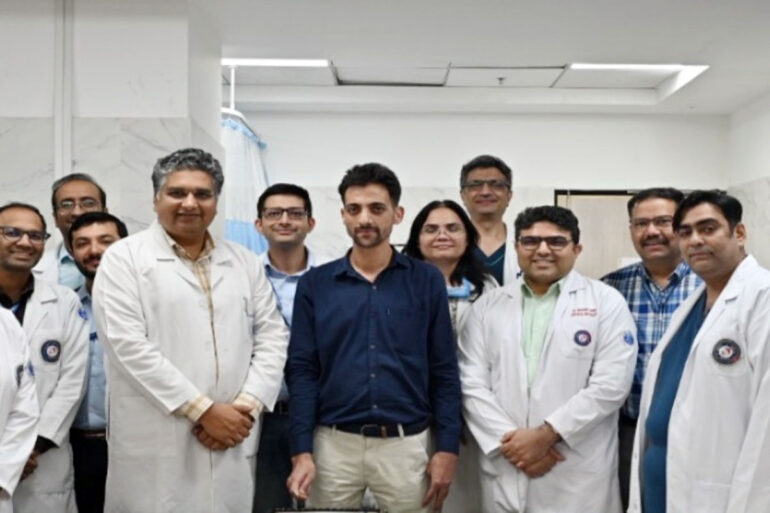
The clinic is being operated under the supervision of Genetic Counsellor, Hashime Ismail; Radiation Oncologist, Dr Pragyat Thakur; and Head of the Department of Medical Oncology, Dr Seema Gulia.
“People should consider genetic counselling if multiple family members have cancer, particularly the same or related types, or if cancer develops at an unusually young age. Even in the absence of a family history of cancer, hereditary or genetic cancer may be suspected if a person develops cancer at an unusually young age for that particular cancer; develops cancer in paired organs (e.g., both breasts); develops more than one primary cancer in different organs; or has features suggestive of a hereditary cancer syndrome, such as polyps, cysts, small pea sized bumps or pigmented patches on the skin or eye. Genetic counselling may be useful for selected patients with breast, ovarian, gastrointestinal, prostate and other cancers, depending on their medical and family history”, said Dr Gulia.
Dr Gulia further added that HBCH&RC Punjab has also started the Cancer Genetics Clinic at its Sangrur centre and is working towards establishing an in-house genetic testing facility. Currently, samples are sent to Tata Memorial Centre, Mumbai, for testing.