






New Delhi, November 29
Two key legislations slated for consideration during Parliament’s special sitting could significantly alter India’s electoral landscape by expanding the strength of the Lok Sabha and state assemblies, while simultaneously implementing one-third reservation for women in legislatures.
The proposed Delimitation (Second) Bill, 2026 and the Constitution (132nd Amendment) Bill, 2026 envisage a major reorganisation of parliamentary and assembly constituencies based on the 2011 Census. If approved, the exercise would be among the most extensive electoral reforms undertaken since Independence.
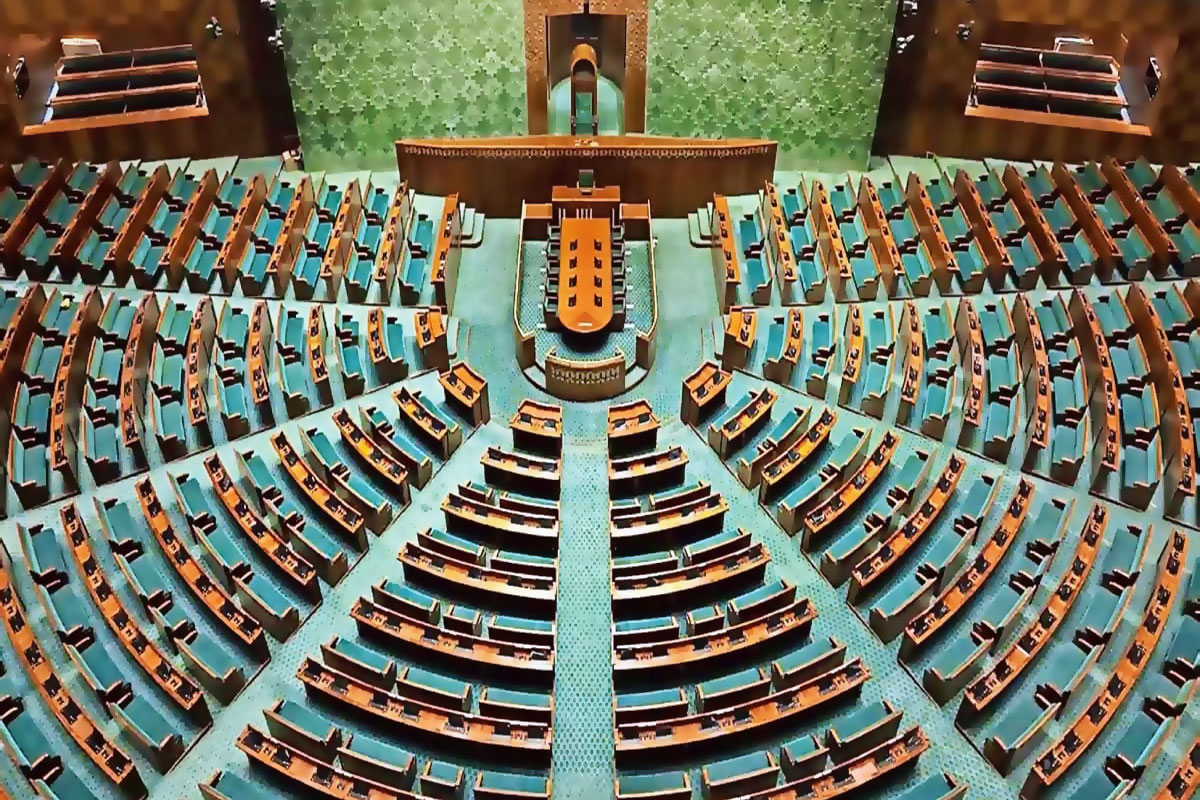
Under the proposed framework, the number of Lok Sabha seats could rise from the current 543 to around 815-816 seats, reflecting an increase of nearly 50 per cent. The constitutional ceiling on the strength of the Lower House is also proposed to be raised from 550 to 850 members.
The projections indicate that Uttar Pradesh would continue to remain the largest contributor in the Lok Sabha, with its representation rising from 80 to 120 seats. Other major states are also projected to witness substantial increases, including Maharashtra (48 to 72), Bihar (40 to 60), West Bengal (42 to 63), Madhya Pradesh (29 to 43), Gujarat (26 to 39) and Rajasthan (25 to 38).
Southern states would also see higher representation. Tamil Nadu is projected to rise from 39 to 59 seats, Karnataka from 28 to 42, Kerala from 20 to 30, Andhra Pradesh from 25 to 38 and Telangana from 17 to 26.
Among smaller states and Union Territories, Assam could increase from 14 to 21 seats, while Arunachal Pradesh, Manipur, Meghalaya and Tripura are projected to have three seats each. Nagaland, Mizoram and Sikkim could see their representation double from one seat to two each. Delhi may rise from seven to eleven seats, while Chandigarh and Puducherry could increase from one seat to two each.
The proposed legislation also seeks to expand the size of state legislatures. The maximum permissible strength of state assemblies is proposed to increase from 500 to 650 members, paving the way for larger assemblies in states experiencing substantial population growth and demographic shifts.
Women’s Reservation to Take Effect Before 2029 Polls
A key feature of the proposal is the immediate implementation of 33 percent reservation for women in the Lok Sabha and state legislatures through the delimitation process.
With the Lok Sabha expected to have around 815-816 seats after expansion, nearly 271-272 seats would be reserved for women. The remaining seats would remain open for all candidates.
The reservation would apply across all social categories, ensuring that one-third of seats reserved for Scheduled Castes (SCs) and Scheduled Tribes (STs) are also earmarked for women. The constituencies reserved for women are proposed to rotate periodically following future delimitation exercises.
SC-ST Representation to Continue Under Existing Constitutional Framework
The proposed reforms do not alter the constitutional principle governing caste-based representation. Seats reserved for Scheduled Castes and Scheduled Tribes would continue to be determined in proportion to their population in each state as reflected in the 2011 Census.
The Delimitation Commission would identify specific constituencies for SC and ST reservation, ensuring representation in areas where these communities have significant population concentrations. Special constitutional protections relating to tribal representation in northeastern states are also proposed to continue until 2051.
The proposed measures have already triggered a sharp political debate. While supporters argue that the reforms will improve democratic representation, expand women’s participation and address population-driven imbalances, critics have raised concerns regarding the timing of the exercise, the adequacy of consultations and its long-term political impact.
The Bills are scheduled for discussion during Parliament’s special session from November 30 to December 3, 2026. However, the projected seat allocations remain provisional and will become final only after Parliament approves the legislation and the delimitation exercise is formally completed.