




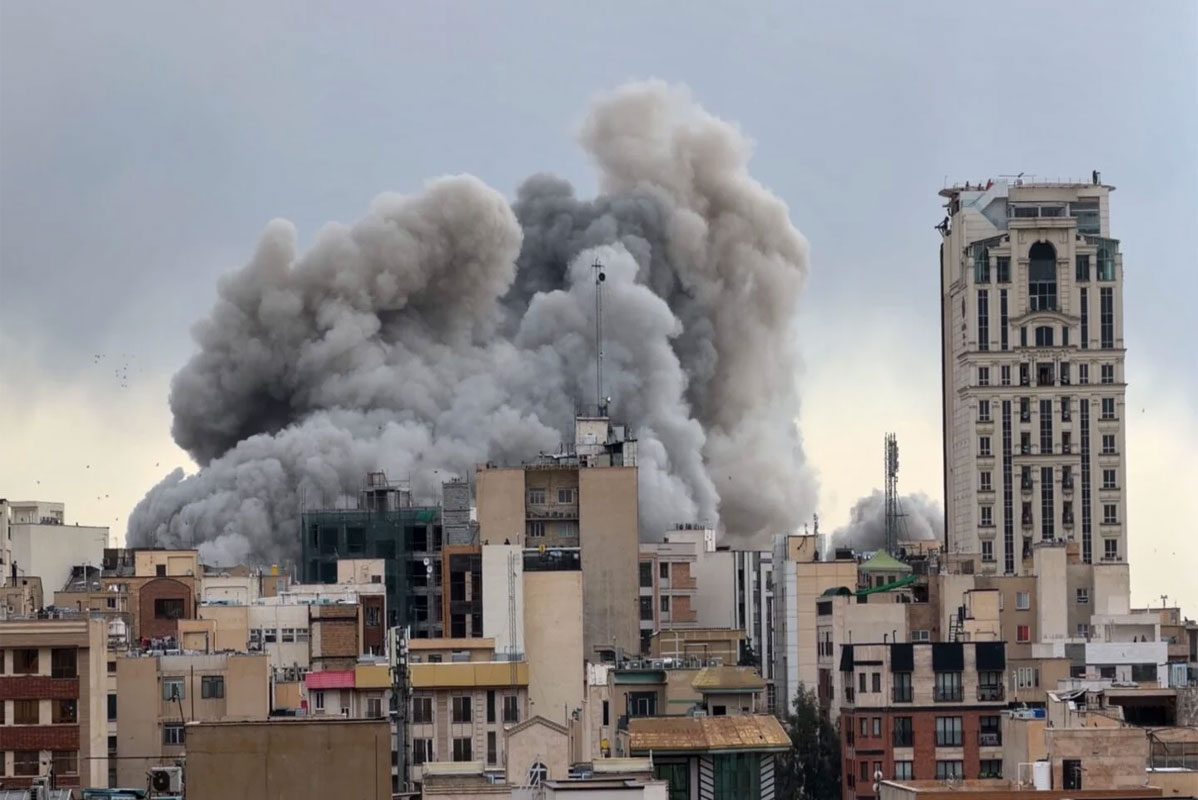
 War has erupted in the Gulf, pulling the US, Israel and Iran into a direct and devastating confrontation. What once seemed like a distant flashpoint now lands squarely at India’s doorstep –threatening the fuel in our tanks, the safety of millions of Indian workers in the region and the stability of global energy flows. This is no longer just news for New Delhi – it is a pressing crisis calling for decisive diplomacy and calculated strategy.
Fuel Prices and LPG Supply
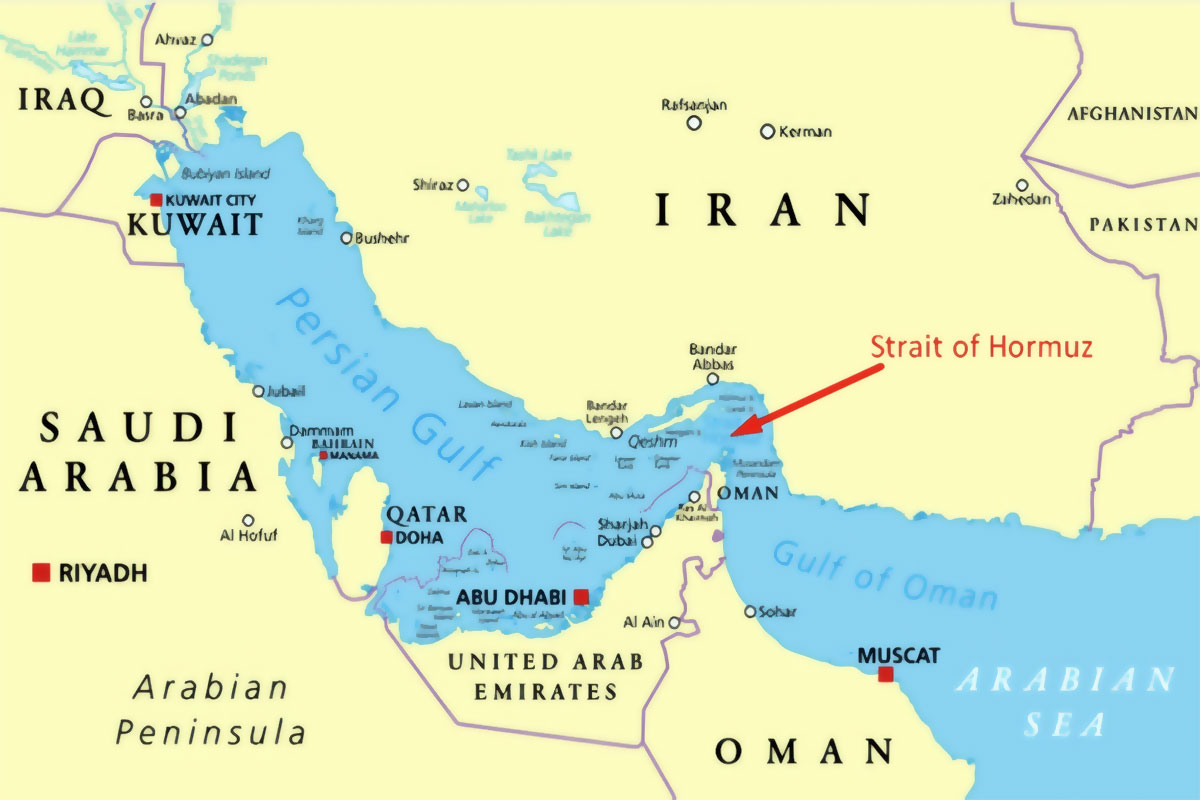
As of March 3, 2026, the Strait of Hormuz is in the grip of a severe crisis, with Iranian officials claiming the vital waterway has been closed to shipping following US and Israeli strikes, according to multiple reports. The Strait is critical for India, given that in FY-2025, nearly half of the country’s crude oil and LNG imports passed through it. Any slowdown in shipments would not remain confined to trade statistics – it would ripple into everyday life, affecting households across the nation.
According to Prashant Vasisht, Senior Vice President and Co-Group Head, Corporate Ratings, Investment Information and Credit Rating Agency (ICRA Ltd), the conflict in the Middle East and reported attacks on several oil producers would exacerbate the volatility in crude oil prices. “A prolonged and/or widening conflict involving several oil and gas producers and the Strait of Hormuz could adversely impact global crude oil and LNG supplies and raise prices of energy globally. In FY-2025, about 50 per cent of India’s crude oil and 54 per cent of LNG imports were routed through the Strait of Hormuz. For Indian refiners, while crude oil could be sourced from alternate locations such as the US, Africa and South America, however elevated energy prices could lead to a soaring import bill. Additionally, elevated crude oil prices would moderate the marketing margins and profitability of oil marketing companies”, said Vasisht.
 In the meantime, recognizing the gravity of the situation, Union Minister of Petroleum & Natural Gas Hardeep S. Puri convened a review with senior officials from the Ministry and public sector undertakings on crude oil, LPG and other petroleum product supplies. “We are continuously monitoring the evolving situation and all steps will be taken in order to ensure availability and affordability of major petroleum products in the country,” Puri said after the meeting. The government has also directed Indian refiners to ramp up domestic LPG production to mitigate the risk of supply interruptions.
Evacuation Challenge
Amid the conflict, one of the Indian government’s foremost concerns is the safety of its citizens abroad. Nearly 9 million Indians live and work across the Gulf and while their remittances are vital to the home economy, their security is non-negotiable. India has successfully executed large-scale evacuations before – in Kuwait, Iraq, and Yemen but if this crisis spreads across multiple Gulf nations simultaneously, the challenge will multiply. Coordinating airlifts with host governments, military assets and commercial airlines, all while conditions shift by the hour, will be nothing short of a logistical nightmare. The government has already urged citizens to remain vigilant but if mass evacuation becomes necessary, it will demand an unprecedented level of organization and resolve.
Wider Impacts
With tensions in the Gulf showing no signs of easing, a spike in oil prices cannot be ruled out. Rising energy costs would inevitably push inflation higher, squeezing industries that depend heavily on fuel, from transport to plastics. Beyond the immediate economic strain, instability in the region also threatens India’s strategic ambitions. Projects like the Chabahar port in Iran, crucial for opening trade routes into Central Asia, could face serious setbacks if the turmoil deepens.
Strategic Tightrope
Diplomatically, India is walking a tightrope. India has strong ties with the US and Israel, deep historical connections with Iran and vital partnerships with Gulf monarchies. That’s why India keeps calling for calm, dialogue and respect for sovereignty.
Conclusion
India isn’t unraveling but let’s be clear – this is a serious test. The escalating Gulf crisis could impact India’s energy stability and the lives of millions of Indians abroad. The government’s response – boosting LPG output, preparing evacuation plans and keeping diplomatic channels active underscores just how high the stakes are. The situation can shift in an instant, demanding that India stay nimble, ready for anything from sudden evacuations to economic shocks. Ultimately, our resilience will be measured by how effectively we keep energy flowing, safeguard our people and maintain balance in a region where every decision carries weight.