




 Patiala, March 19
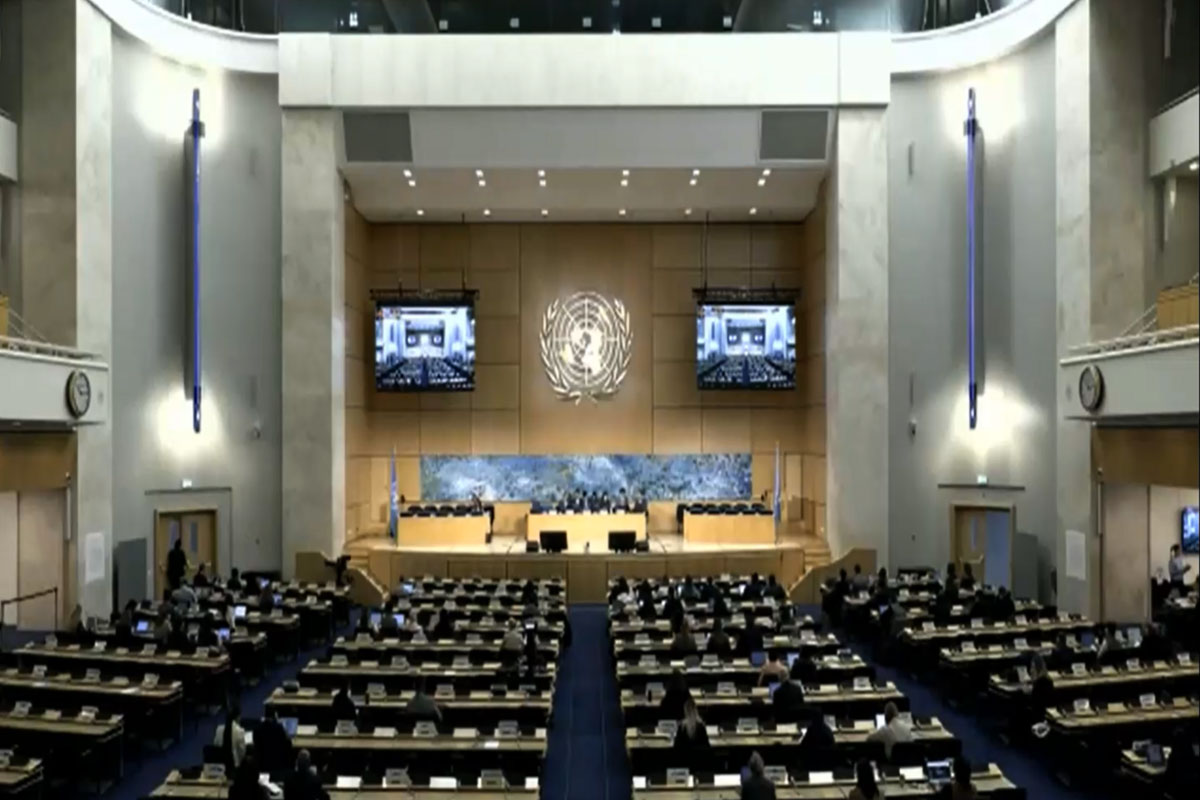
Patiala Foundation, an Indian NGO in special consultative status with ECOSOC, has made four interventions at the 61st regular session of the UN Human Rights Council (HRC61) in Geneva, bringing Indian community experience on road safety, minority rights and cultural heritage to the global stage.
Under the General Debate on Item 3 (promotion and protection of all human rights), CEO Ravee Singh Ahluwalia delivered a video statement on the “right to safe mobility”, urging that road safety be treated as a human rights priority closely linked to the rights to life and health. The intervention welcomed India’s decision to make road safety a national priority and referred to international recognition, including the Prince Michael Decade of Action Road Safety Award for improvements in vehicle safety standards. Patiala Foundation presented its Project SADAK – reflective stickers for over 27,000 cyclists, Children Challan Books, road‑safety audits and Safe School Zones – as practical Indian contributions to SDGs 3 and 11.
In the General Debates under Items 4 and 5, and during the Interactive Dialogue with the UN Special Rapporteur on minority issues, the Foundation highlighted the situation of Hindu temples and Sikh gurdwaras linked to Partition‑displaced communities, and the wider question of minority religious heritage in South Asia. Referring to public reporting on a document presented to Pakistan’s Parliamentary Committee on the Minority Caucus, including by Dawn and other media, Patiala Foundation noted information that out of 1,817 documented Hindu temples and Sikh gurdwaras, only 37 are currently functional, raising serious concerns about the protection of minority heritage and the impact on identity and belonging.
Showcasing its Project iHERITAGE, the organisation underlined India’s proactive work in documenting monuments and antiquities and described how QR‑enabled “Digital Heritage Walks” and community‑led digitisation help diaspora and minorities reconnect with historic neighbourhoods, libraries, temples and gurdwaras now located across borders. Patiala Foundation called on UN bodies and Member States to recognise religious heritage as a core element of minority rights and to support participatory documentation and protection of at‑risk sites in genuine partnership with affected communities.
Through these interventions, Patiala Foundation has positioned Indian civil society as a constructive voice in Geneva on two emerging global agendas: road safety as a human right and protection of minority religious heritage in South Asia.