




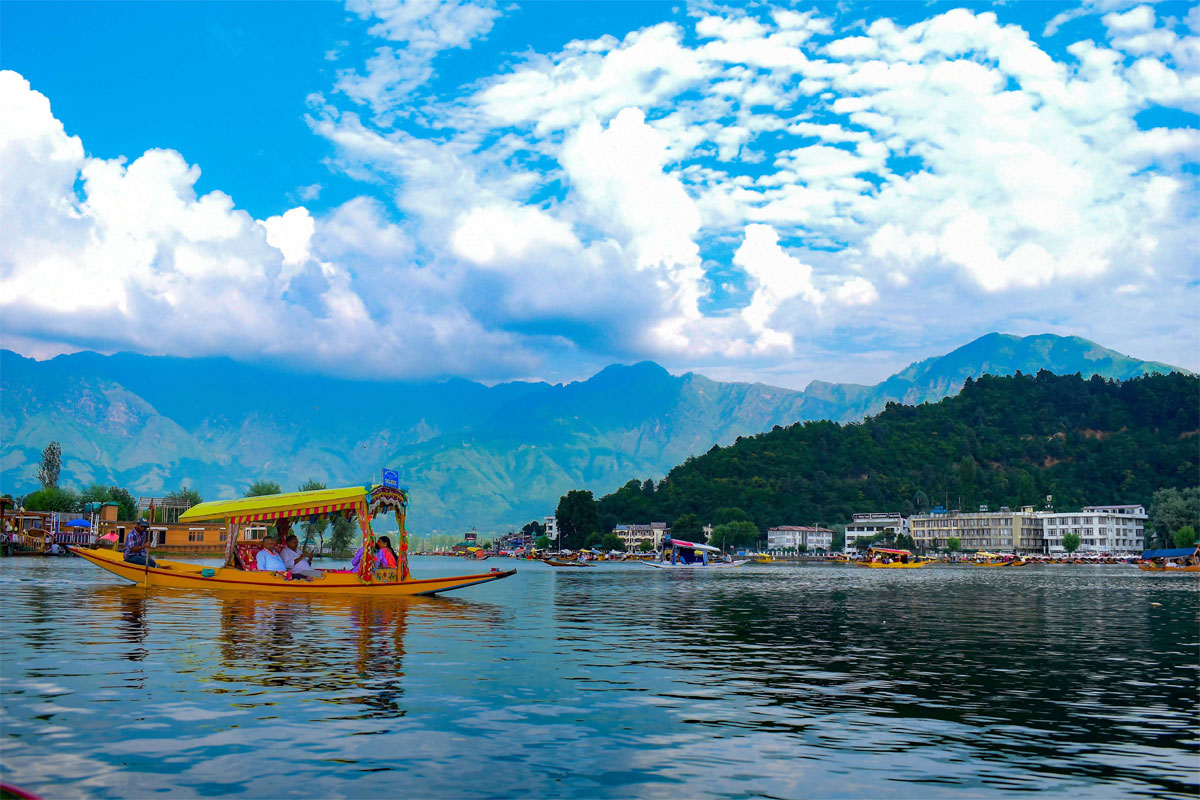
Jammu and Kashmir has a unique distinction. It once used to be a sovereign state ruled by Dogra Maharajas, then an ‘autonomous’ state after its ruler acceded within the Indian union in 1947, then a normal state like any other state of the country and now “just a union territory”.
The Journey from Sovereign State to Union Territory
The Bharatiya Janata Party has promised to restore its statehood. The ruling National Conference in Jammu and Kashmir has also been consistently demanding the restoration. The Congress, the principal opposition party in the parliament, has also been strongly advocating for restoration of statehood to JK. But for the unexplained reasons the central government appears to be reluctant to restore the statehood as of now.
The union territory of Jammu and Kashmir, right now, is just like the state of the national capital, Delhi, where most of the powers are with the Lieutenant Governor. IN Delhi, the police remain under the direct control of the union home ministry. IN JK the entire administration including the police, is under the control of the Lieutenant Governor.
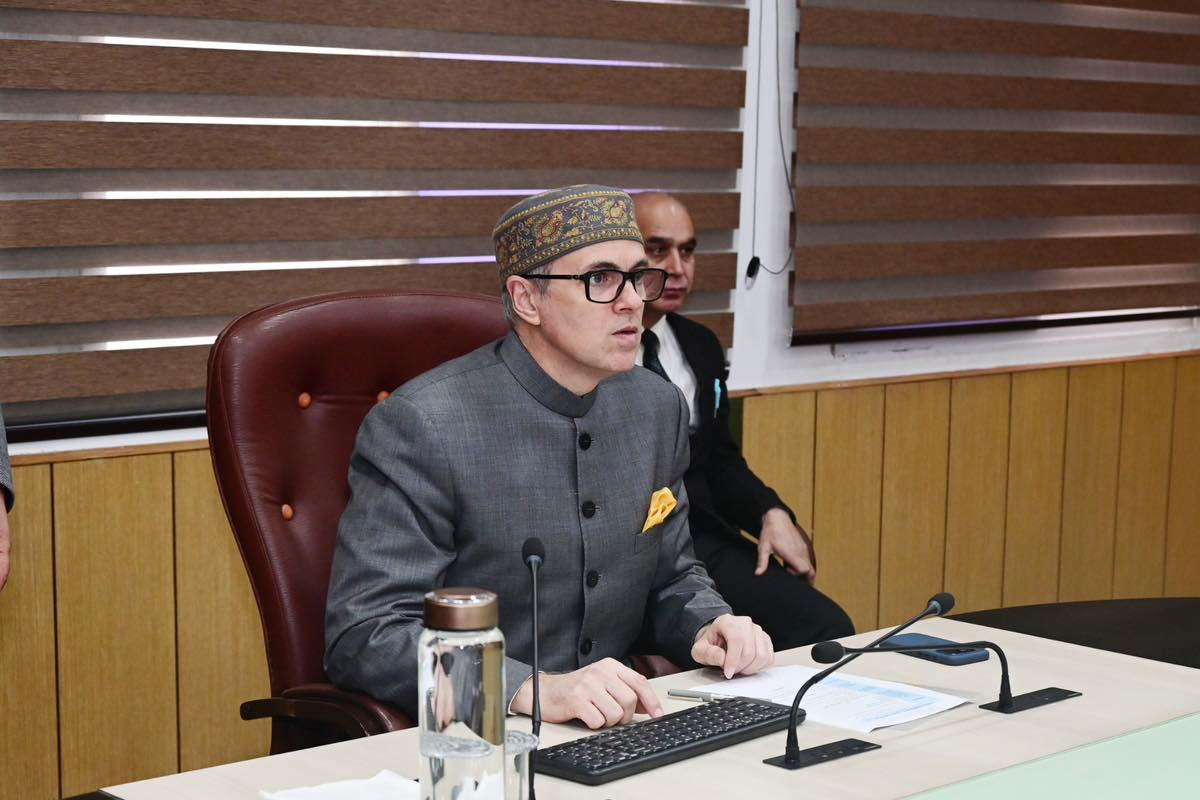
Omar Abdullah’s Pragmatic Politics Amid Limited Powers
Interestingly, the Chief Minister Omar Abdullah, although being persistent in his demand for the restoration of statehood, has not adopted any confrontational path towards the centre. Omar is one of the few pragmatic leaders in the country who keeps the party line separate from governance. While being fiercely opposed to the BJP ideologically, he has maintained cordial relationships with the Prime Minister Narendra Modi, the union Home Minister Amit Shah and others. Otherwise, politically his party remains part of the opposition INDIA bloc. The National Conference fought the parliament and the assembly elections in 2024 in alliance with the Congress.
It is not that there are no problems in administering the UT when there are clearly two power centres, with the Lieutenant Governor having a definite and a decisive edge over the elected government. But the pragmatist in Omar has been trying to bypass certain headwinds to avoid an open confrontation with the LG. There are issues in appointments and transfers also.
In the end, it is always the political executive, elected by the people which is held accountable by the people from time to time and not the “selected” executive like the Lieutenant Governor.
Normalcy Returning Despite Security Challenges
The central government and the BJP must appreciate that Kashmir is taking the steps and moving forward towards normalcy. Militancy has obviously not been completely eradicated, as there are sporadic incidents once in a while. But by and large the state remains peaceful. The harsh memories of the Pahalgam terror attack are still fresh in the memory of people. But these cannot be held against restoring statehood. If it was the elected government that was in command and control of the security, it would have been grilled and held in dock. Nobody questioned the intelligence and security lapse of those responsible.
Post-Article 370 Kashmir: Changing Perceptions and Realities
Whether people of Kashmir acknowledge it publicly or not, one thing is sure that they have accepted the abrogation of the Article 370 and also that it can’t and it never will be restored, particularly after the Supreme Court of India upheld its abrogation. It is seven years since the controversial article was abrogated. People of Kashmir have realized that their fears and apprehensions of “demographic change” were completely unfounded. Hardly any outsiders went to Kashmir to buy land and settle down there, as was always feared about the abrogation.
Besides, the abrogation of the Article has removed the “mental bloc” from the people that “Kashmir was separate or distinct from the rest of the country”. People there have realized that Kashmir actually is as much and as an integral part of the country as any other state. This realization has changed the common mindset and has also discouraged any “secessionist or separatist” tendencies.
Also the introduction of direct rail link between Kashmir and the rest of the country has greatly improved and enhanced the “physical interaction” between the people. As more and more people flow into the Kashmir valley, people there get to know them in a better way. The reverse is also true. As more and more Kashmiris get the mainland exposure, they also realize that India is the best country they can think of and certainly much better than countries like Pakistan.
Why Restoring Statehood is the Next Logical Step
This is the right time for the central government to initiate the process of restoring statehood. This will build up more confidence among the people. Besides, this will also accord more credibility to the elected representatives and the elected government. Under the current arrangement, the elected government virtually remains powerless, as it is the bureaucracy that directly reports to the Lieutenant Governor that commands the authority.
The last thing the central government can afford is the loss of credibility of the elected representatives and an elected government. Restoring the statehood of Jammu and Kashmir will be as much in the national interest as was the abrogation of Article 370. Sooner the statehood is restored, the better it would be.
(Views expressed are personal.)