



Chandigarh, May 22
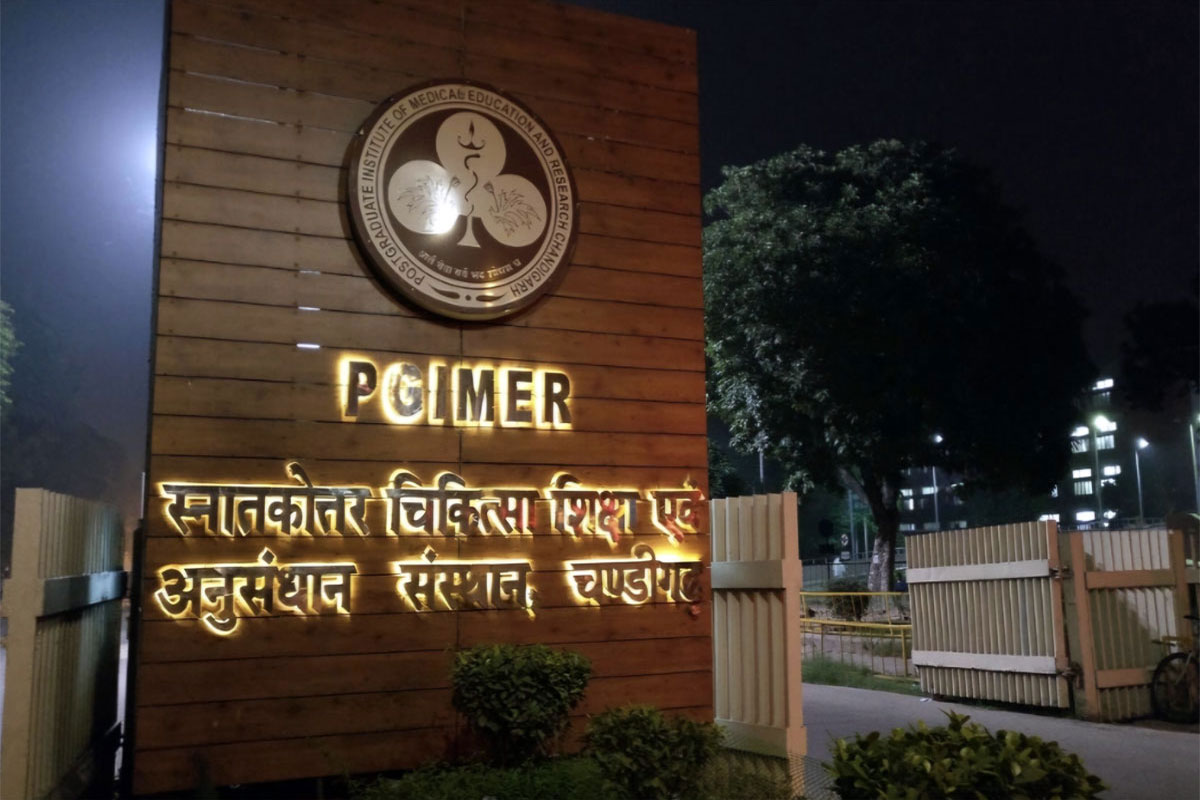
A multidisciplinary team from the Postgraduate Institute of Medical Education and Research (PGIMER), Chandigarh, has developed an artificial intelligence (AI)-based model for the accurate detection of gallbladder cancer using ultrasound images. The research, led by Dr. Pankaj Gupta from the Department of Radiodiagnosis and Imaging , has been published in The Lancet Regional Health – Southeast Asia.
Gallbladder cancer is a significant public health concern in North India, particularly among women. Gallstones, a common condition, are one of the strongest risk factors for developing this cancer. Unfortunately, gallbladder cancer is often detected at advanced stages when treatment options are limited, making early diagnosis critical for improving patient outcomes.
Ultrasound is the most widely used imaging technique for examining the gallbladder. It is affordable, radiation-free, and available even in small towns and rural areas. While ultrasound can easily detect gallstones, identifying the subtle early signs of gallbladder cancer requires specialized expertise. This expertise is often unavailable at peripheral healthcare centers, leading to missed or delayed diagnoses.
To address this challenge, the team developed a specialised AI model.
Unlike conventional AI models that analyze a single image, this model accepts multiple ultrasound images from the same patient and provides a unified diagnosis, either “cancer” or “non-cancer”, along with a probability score indicating the confidence level. This approach mirrors how radiologists work in real clinical practice, where they review several images before making a diagnosis. The AI model also highlights which regions of the ultrasound images influenced its decision, helping doctors understand and verify the findings. The model was tested on patients from four hospitals across North India.
In a significant contribution to the scientific community, Kartik Bose, a computer Scientist, in the team, developed a user-friendly computer application, under the guidance of Dr. Pankaj Gupta. This application is freely accessible to researchers and clinicians across the country. The aim is to achieve a broader impact on the detection rates of this important cancer, particularly in areas where specialist expertise is scarce.
The team plans to further validate the model through prospective clinical trials and explore its integration into routine ultrasound workflows. The ultimate goal is to make AI-assisted gallbladder cancer screening accessible to healthcare providers across India, particularly in regions with high disease burden.