




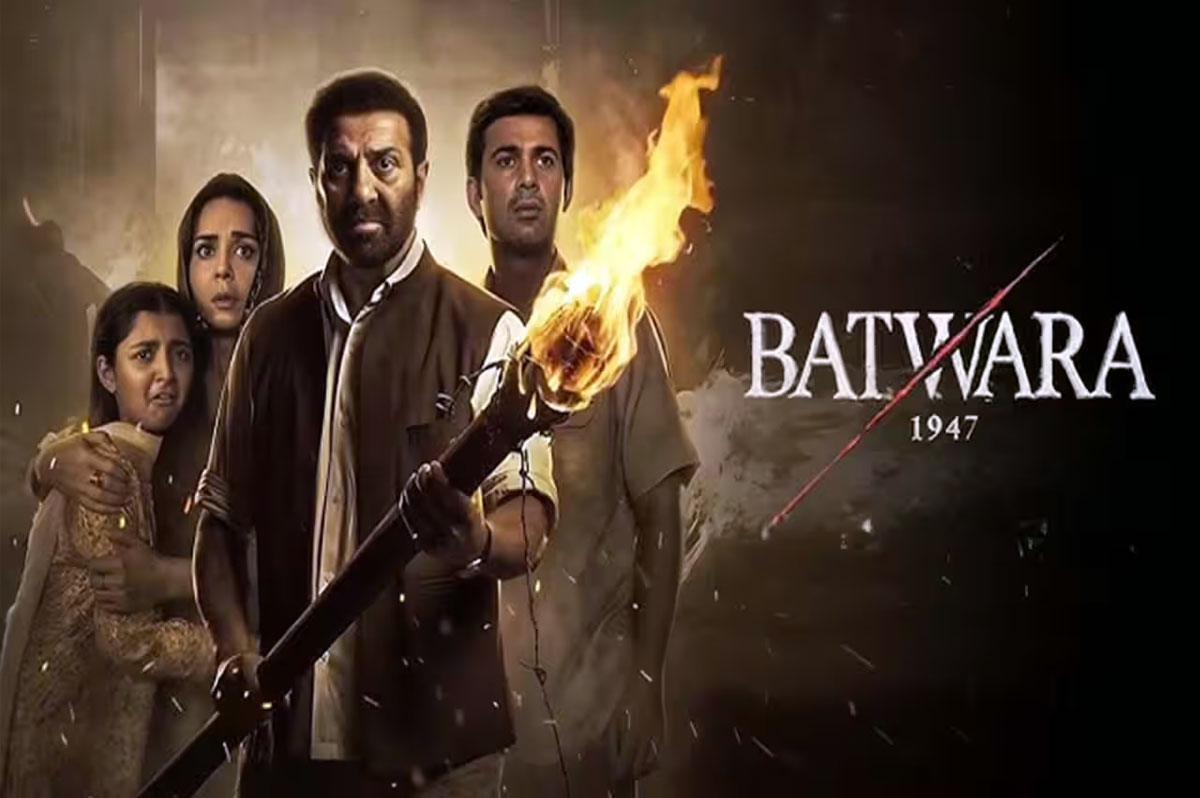
Rajkumar Santoshi’s Batwara 1947 walks in with big promises—a hard-hitting look at Partition and all the pain that came with it. But once the lights go down, you get a clunky, melodramatic mess that just can’t keep up with its own ambitions. The film takes inspiration from Asghar Wajahat’s highly respected play, Jis Lahore Nai Vekhya O Jamya Nai, but that raw, stage-born tension just doesn’t survive the trip to the screen.
We’re in Lahore, 1947. A Muslim refugee family moves into the house of an old Hindu woman who flat-out refuses to leave. You can imagine the conflict, the tangled emotions. But the way Santoshi tells it, the drama gets smothered by stiff, preachy dialogues and over-the-top acting. The whole thing plays like old theater – too stiff, too self-aware for today’s audience.
Shabana Azmi, playing Mai, is the clear standout. She brings dignity and a genuine sense of loss, grounding the film in reality. Sunny Deol, back with Santoshi after ages, is surprisingly understated, though he occasionally lapses into that familiar fiery style that feels kind of out of place here. Preity Zinta and Ali Fazal do their best but the script barely gives them a chance. Then there’s Karan Deol, who just can’t deliver—the audience feels it and the crucial emotional beats fall flat.
The film’s pacing drags. Scenes stretch on, songs crop up when you least want them and the flow breaks down. Instead of making you feel the chaos and heartbreak of Partition, the film keeps you at arm’s length, leaning too hard on melodrama and old-fashioned theatrics. The visuals try for a nostalgic touch but they don’t capture the rough, dangerous atmosphere of the time. Batwara 1947 speaks with urgency to the present, but its storytelling is shackled by a cinematic language that belongs to another era.
(The author is a budding journalist. Views expressed are personal.)