
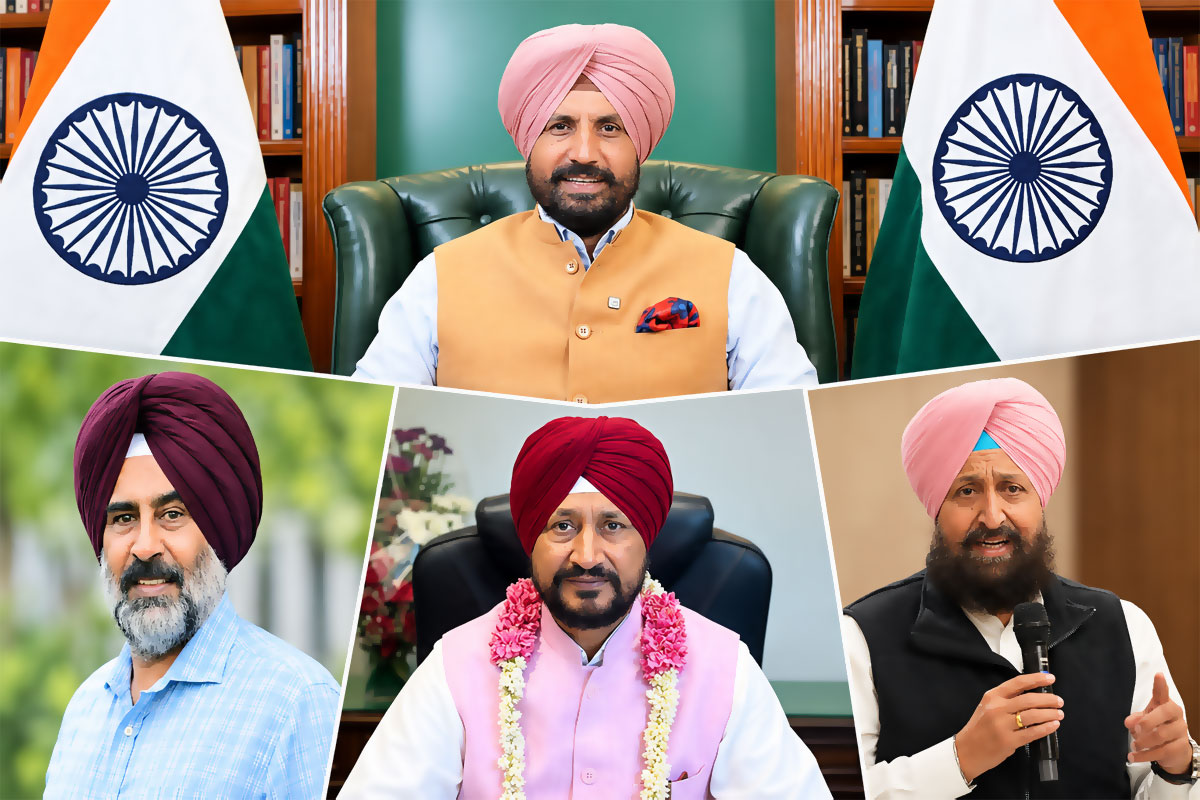
The Congress high command may have attempted to draw a line under internal differences in Punjab by replacing Amarinder Singh Raja Warring as Punjab Pradesh Congress Committee (PPCC) chief with former Punjab Minister Pargat Singh but believing that factionalism has disappeared from the party would be premature. Publicly, senior leaders continue to assert that the Congress is united and focused solely on winning the next Assembly elections. Behind the scenes, however, several power centres remain active within the state unit.
For now, most senior leaders have chosen to maintain silence in the public domain. The restraint is not necessarily a sign of complete harmony but rather a reflection of political caution. With the election process gradually taking shape, leaders are well aware that open criticism or public disagreements could invite disciplinary action from the party leadership.
The real test of unity is expected to begin when the screening committee for ticket distribution is constituted. It is at this stage that competing interests are likely to surface. Several prominent leaders, including Leader of Opposition Partap Singh Bajwa, former PPCC chief Amarinder Singh Raja Warring and former Chief Minister Charanjit Singh Channi, command their own loyal support bases within the party. As candidate selection gathers pace, each camp will be keen to secure maximum representation for its supporters.
The stakes are high because ticket distribution is not merely about contesting elections. The number of legislators elected from a particular faction can significantly influence the balance of power in the post-election scenario. Whether the Congress forms the government or emerges as the principal Opposition party, leaders with greater legislative backing are likely to enjoy a stronger voice in decisions concerning leadership positions and organisational matters.
According to party insiders, the focus is to accommodate all major factions during the ticket allocation process. Sources suggest that leaders across different camps are expected to receive a reasonable share of nominations to maintain organisational balance. However, accommodating multiple power centres is never an easy exercise, particularly in a politically sensitive state such as Punjab.
The challenge for the Congress leadership will be ensuring that ticket distribution does not deepen factional rivalries. Once candidates are announced, senior leaders may naturally devote greater attention to constituencies where their supporters are in the fray. While top leaders are expected to share platforms at major rallies addressed by the national leadership, political observers believe the real battle within the party could revolve around strengthening individual camps on the ground.
This situation creates a delicate balancing act for the high command. Any perception of favouritism or unequal treatment during candidate selection could trigger resentment. If disagreements intensify during the screening process, dormant factional tensions may once again come to the fore, potentially affecting campaign momentum.
For the moment, the Punjab Congress leadership is projecting a picture of unity. Yet the durability of that unity will largely depend on how smoothly the ticket distribution exercise is handled. The coming months are likely to reveal whether the party’s internal truce is genuine or merely a temporary pause before another round of political contestation within its ranks.