



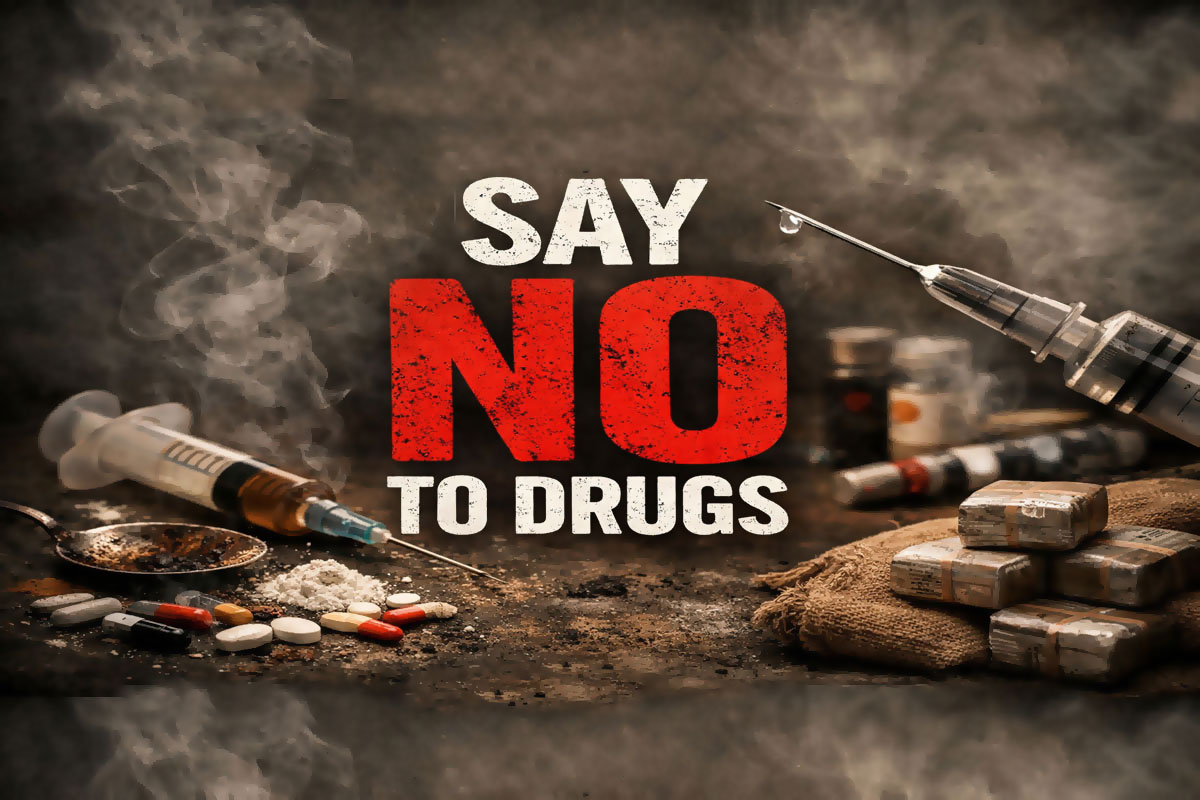
 For nearly two decades, Punjab has lived under the shadow of a drug menace. Governments rotate in and out, slogans rise and fade but if you walk the village lanes or sit with the families, the truth is unmistakable: very little has changed where it matters most. The problem doesn’t stay outside—it seeps in, infiltrates daily life and wraps itself around villages and towns. You can see it plain as day: in narrow lanes, at street corners and even in schools. There are entire pockets where addiction dictates the economy, where futures are mortgaged to substances and where escape feels impossible.
Punjab’s Drug Crisis: When Hope Dries Up
This is not a menace in name alone. It is a lived reality, a stranglehold on Punjab’s spirit. To really see how deep this goes, you have to look past the usual talk about trafficking and failed policing. The real root is more painful: Punjab is running out of hope and opportunity. The state’s proud reputation as the breadbasket of India is under threat. Farming is stuck, land keeps shrinking and profits have dried up. Meanwhile, the industry hasn’t picked up the slack. Young people—especially in rural areas—find themselves staring into an uncertain future. For many, there just aren’t any good options. Now, with things this bleak, drugs become more than just a distraction. For some, they’re a way to deal with disappointment and the grind of day-to-day life. For others, dealing drugs has become a way to get by, filling the gap left by real jobs. This isn’t only about crime or law enforcement—it’s a sign that something much deeper has cracked. The sense of hope itself has worn thin.
Small Dealers Paraded, Big Players Untouched—Trust in System Collapses
On top of all this, people have lost trust in the whole system. Every election, the drug problem takes center stage. Politicians make strong statements, set deadlines and roll out new action plans. But once the dust settles, nothing actually shifts for the people most affected. Authorities catch small-time users, parade petty dealers but the big players go untouched. That’s left people wondering: is it an issue of powerlessness or simply a lack of will to go after those who matter most? Many folks openly suspect that some in the political and administrative system are mixed up in the trade, which only adds to everyone’s frustration and anger. The cost isn’t just measured in statistics. It’s the families breaking apart, the savings wiped out, the parents watching their kids slip away and whole communities living with constant grief. This isn’t about isolated individuals—the pain spreads to families, jobs and the fabric of society itself.
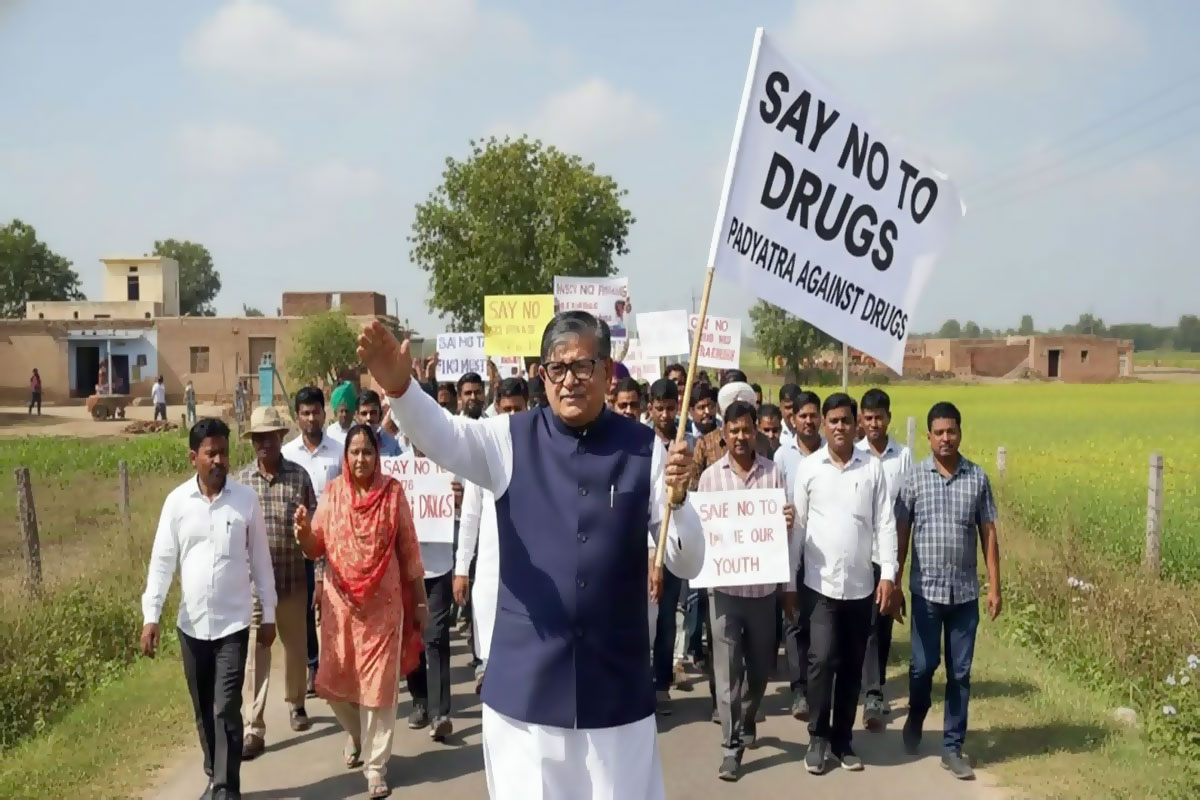
Beyond Getting Clean: Why Punjab’s Recovery System Falls Short
Rehab centers do exist but they’re stretched thin. Many don’t have enough resources or staff and too often, the focus is just on containing the problem instead of truly helping people heal. Real recovery means more than just getting clean for a while. You need to fix both body and mind, treat people with real understanding and dignity—not as criminals. Mental health support is crucial, given that loads of people turn to drugs because of trauma or stress. Without new career paths and a way to feel included in society again, people who manage to clean up their act risk falling back into the same traps.
Beyond Borders and Policing: Punjab Needs Jobs, Justice and Hope
If Punjab wants to break out of this mess, it needs to do more than tinker at the edges, as police alone can’t solve a crisis this big. Everyone—from the lowest rung to the top of the ladder—has to be held accountable, including the “big fish” that hide in the background. Economic revival matters just as much. Investments, skill development and real job creation can give young people something to care about again.
Beyond Politics: Punjab’s Drug Crisis Demands Honesty and Hope
Punjab’s drug crisis says a lot about the cracks in society as a whole. It speaks to stalled progress, shaky institutions and a failure to protect young people’s dreams. So, this really is a turning point. Treating the situation like a passing political issue just turns tragedy into routine. But if Punjab can find the will—with honesty, real action and some compassion—there’s still hope for change.
(The author is the Editor of the website www.thenewsgateway.com. Views expressed are personal.)