



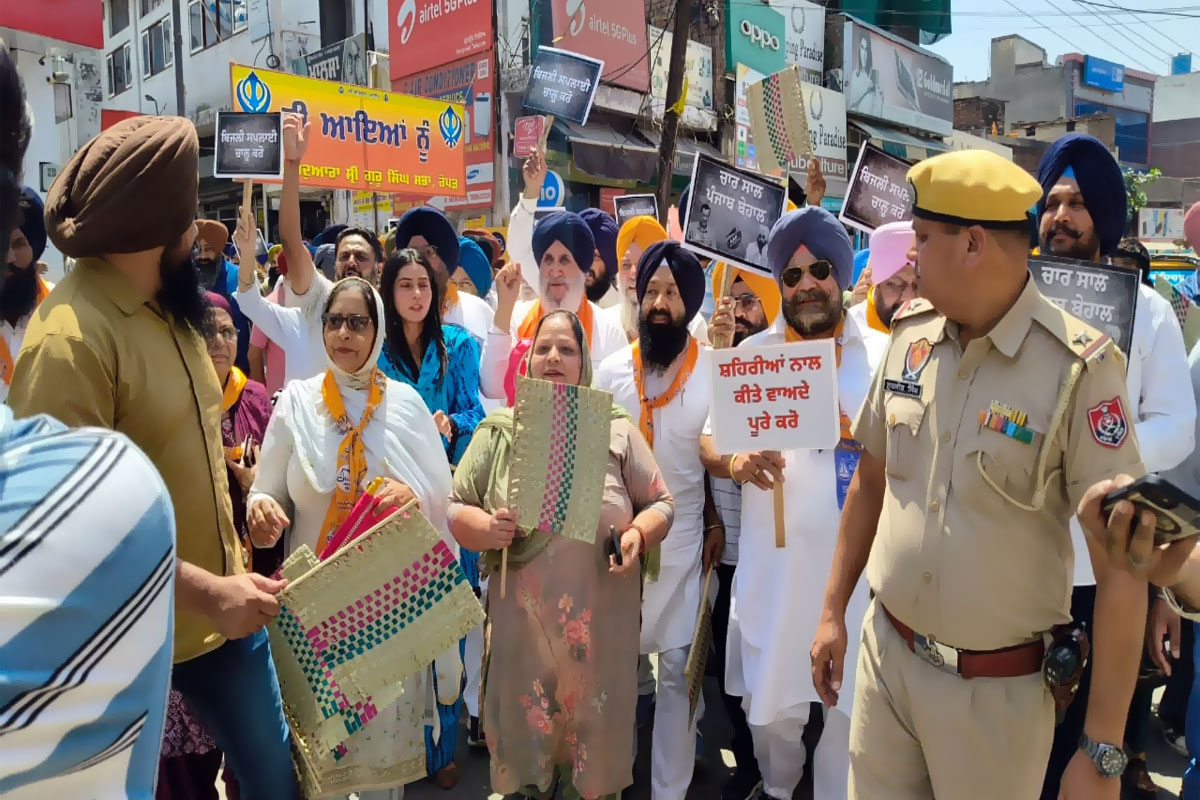
Chandigarh, April 30
Punjab today finds itself plunged into a deepening power crisis, with the Punjab State Power Corporation Limited (PSPCL) resorting to crippling, hour‑long power cuts across districts. As the mercury soars and a relentless heat wave grips the state, unscheduled outages have left households high and dry. From urban centres to semi‑urban belts and villages, domestic consumers are enduring sleepless nights, their lives thrown into disarray by prolonged blackouts.
The situation has laid bare the stark ill‑preparedness of PSPCL. Frequent breakdowns, technical snags in the transmission network and the inability to meet power demand have exposed systemic flaws. Reports pouring in from Amritsar, Jalandhar, Patiala, Ludhiana, Sangrur, Mohali, Ropar and beyond paint a grim picture: erratic supply, three to four‑hour cuts in cities and an even harsher reality in rural Punjab where villages are reeling under 8 to 10‑hour outages.
What makes the crisis more galling is the contradiction between official claims and ground reality. Power Minister Sanjeev Arora had assured that PSPCL had “sufficient power,” yet the state is visibly collapsing under the weight of shortages. Senior SAD leader Dr. Daljit Singh Cheema has rightly pointed out the irony of these hollow assurances, as Punjab’s citizens grapple with the harsh truth of a state‑wide power emergency.
Consumers themselves are demanding accountability. They argue that technical snags in the transmission system must be investigated, especially since annual maintenance of the grid is supposedly carried out well in advance during winters. The persistence of such failures raises troubling questions about governance, planning, and transparency.
In villages, the crisis is nothing short of devastating. With 8 to 10‑hour cuts becoming routine, rural households are left powerless in every sense of the word. Agriculture, small businesses and daily life are all being throttled by the absence of electricity.
Punjab, once proud of its “power surplus” tag, now stands exposed as a state struggling to keep the lights on. The crisis is not just about electricity—it is about credibility, governance and the widening gap between promises and reality.