




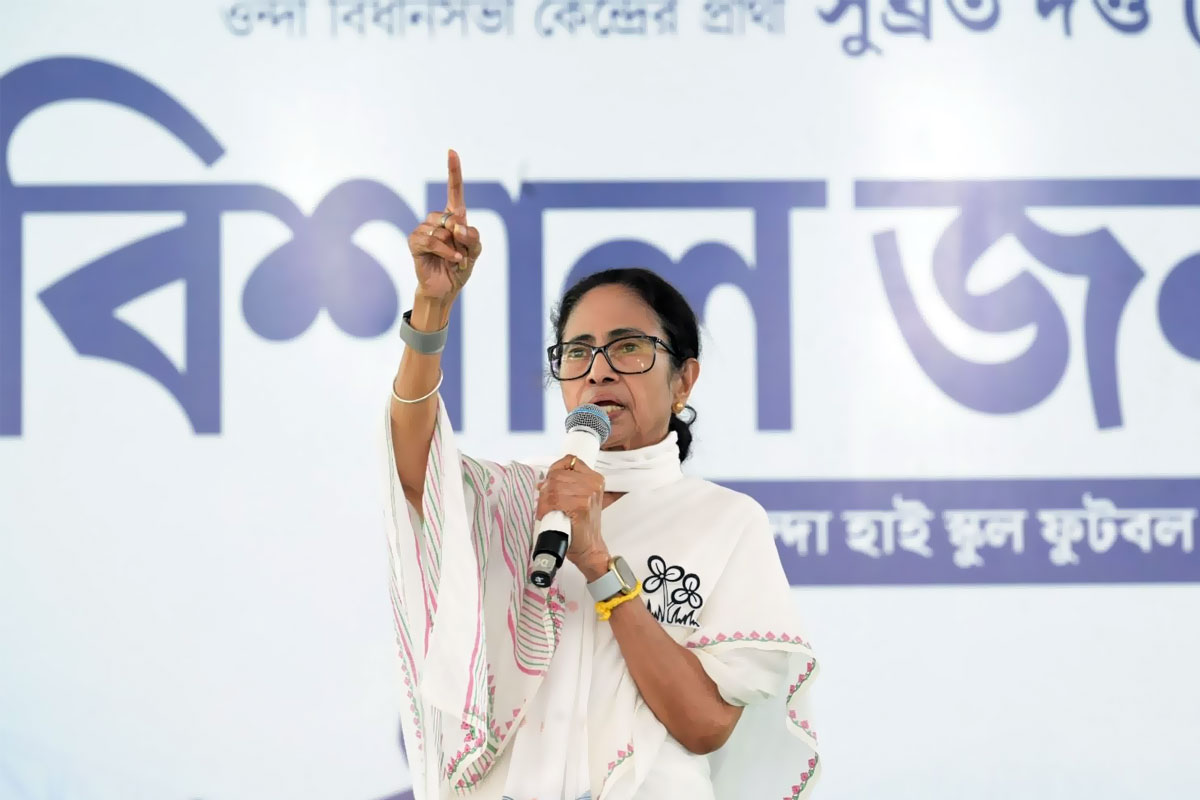
Mamata Banerjee’s political career appears to be entering the most uncertain and turbulent chapter of its long and dramatic journey. For over fifteen years, she embodied Bengal’s political imagination — the street-fighter who humbled the mighty Left Front after 34 uninterrupted years in power, the relentless campaigner who transformed herself from an outsider in Delhi politics into the unquestioned centre of power in Kolkata. To her supporters, she was not merely a chief minister but an emotion, a leader who carried the aura of invincibility. Today, however, that aura appears fractured in a manner few would have imagined even a few years ago.
Bhabanipur and the Collapse of Political Certainty
The scale of the reversal is striking. Her defeat in Bhabanipur, a constituency carefully cultivated as her political fortress, was not just another electoral setback. It struck directly at the core of her carefully constructed image as Bengal’s undisputed mass leader. The Trinamool Congress, once accustomed to overwhelming dominance and political swagger, now finds itself reduced to a weakened force struggling to retain relevance against the BJP’s rapid expansion in the state. Bengal’s political landscape, which Mamata once controlled with extraordinary authority, now looks transformed and increasingly hostile to her party’s old methods of mobilisation and governance.
Echoes of Mayawati’s Political Decline
The parallels with Bahujan Samaj Party chief Mayawati are difficult to ignore. There was a time when Mayawati too appeared politically untouchable in Uttar Pradesh. She commanded a fiercely loyal social coalition, influenced governments at the Centre and was regarded as one of the few regional leaders capable of dictating national political equations. Yet politics changed faster than her party adapted. The BJP’s rise, combined with organisational stagnation and an inability to reinvent herself, gradually reduced the BSP from a formidable force into a marginal player surviving largely on memory and symbolism.
Mamata Banerjee now risks walking down a remarkably similar path — perhaps an even harsher one. Unlike Mayawati, whose decline was gradual, Mamata’s setbacks have become deeply personal and psychologically damaging. Her defeat in Nandigram in 2021 had already punctured the perception of electoral invulnerability that surrounded her. Bhabanipur has only amplified that crisis. A leader who once projected supreme confidence now appears politically vulnerable within her own backyard. That shift carries consequences far beyond seat arithmetic; in politics, perception often becomes reality.
From Electoral Setbacks to Existential Crisis
The challenge before Mamata is no longer merely electoral — it is existential. At seventy-one, with visible health concerns and shrinking political space, she confronts the difficult task of simultaneously preserving her own authority while attempting to revive a fatigued party organisation. The INDIA bloc, which once viewed her as a potential national pivot against the BJP, is unlikely to invest similar political capital in a diminished and weakened ally. Regional satraps survive in national politics only so long as they continue to command unquestioned authority in their home states. Once that aura fades, relevance in Delhi evaporates quickly.
Growing Anxiety Within the Trinamool Congress
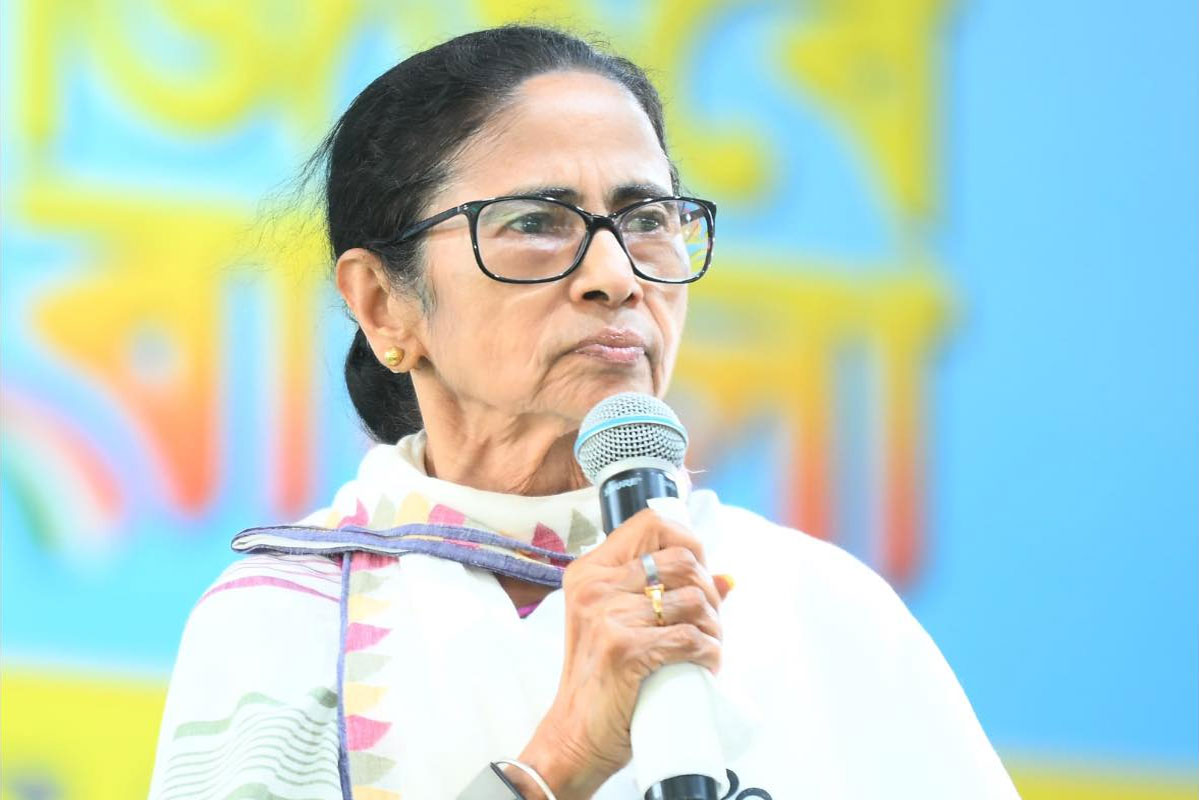
Within the Trinamool Congress too, anxiety is likely to deepen. Political parties built heavily around one personality often begin to show cracks the moment electoral dominance weakens. Reduced numbers in the Assembly, declining morale among cadres and the growing possibility of defections could accelerate internal instability. Leaders who once thrived under Mamata’s towering political presence may begin reassessing their future if they sense that the party’s long-term trajectory is downward.
Reinvention or Irrelevance?
What makes Mamata’s predicament particularly serious is the absence of a clear fallback narrative. Mayawati, despite her decline, still retains a residual Dalit identity base that preserves her symbolic relevance in Uttar Pradesh politics. Mamata’s politics, however, has always rested more on charisma, welfare populism and Bengali regional assertion than on a rigid social bloc that remains permanently loyal irrespective of political circumstances. If that charisma weakens and anti-incumbency hardens further, the erosion could become much sharper and faster.
The Last Battle for Political Reinvention
The coming years may therefore determine whether Mamata Banerjee can script yet another improbable comeback or whether her political journey begins a rapid descent into irrelevance. Reinvention would require more than rhetoric or emotional appeals; it would demand organisational restructuring, generational transition within the TMC and a broader political vision capable of transcending Bengal’s increasingly polarised landscape. Whether Mamata still possesses the energy, adaptability and political instinct for such a reinvention remains uncertain.
From Populist Icon to Political Isolation
For now, the signs are ominous. The leader who once symbolised defiance against entrenched power structures now appears increasingly isolated within a changing political order. If the present trajectory continues unchecked, Mamata Banerjee’s story may ultimately be remembered not only as the rise of a populist icon but also as one of the swiftest and most dramatic declines in contemporary Indian politics — a reminder of how unforgiving electoral politics can be, even to those who once seemed unassailable.
(The author is the Editor of the website www.thenewsgateway.com. Views expressed are personal.)