




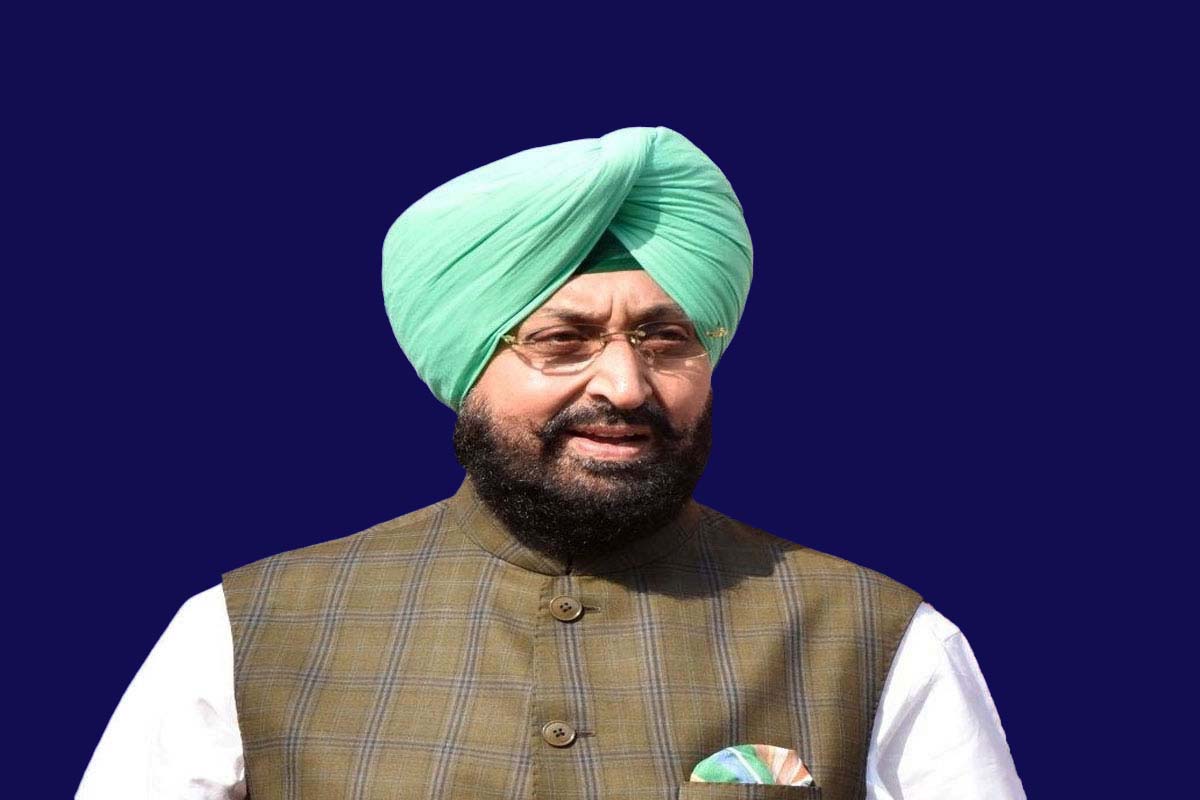
New Delhi, July 1
Partap Singh Bajwa, a prominent Congress leader from Punjab, has long been a central figure in the state’s political landscape, combining grassroots credibility with organizational influence. Despite speculations of his replacement, today, the AICC has decided to continue with him as the Leader of Opposition in Vidhan Sabha.
Born on 29 January 1957 in Qadian, Gurdaspur district, Bajwa hails from a family with deep political roots. He is the son of Satnam Singh Bajwa, who was a three-time Member of the Legislative Assembly of Punjab and Minister in the government of Punjab. His father was assassinated by militants in Punjab in 1987 during the height of the region’s period of militancy. His father’s legacy shaped Bajwa’s early political orientation. Educated at Punjab University, he entered politics through student activism and quickly rose within the ranks of the Youth Congress, where he served as president of the Punjab unit. His early years established him as a dynamic voice for the party’s younger generation, and he steadily transitioned into mainstream politics.
A Steady Rise Through the Political Ranks
Bajwa was elected as the Member of Legislative Assembly (MLA) from the Kahnuwan constituency in Gurdaspur district of Punjab for three terms: 1992, 2002, and 2007. During this period, he served as a minister in the Punjab government, handling portfolios such as Public Works and Information & Public Relations. His tenure was marked by efforts to strengthen infrastructure and communication networks in the state. In 2009, Bajwa entered national politics by winning the Lok Sabha seat from Gurdaspur, succeeding Bollywood actor Vinod Khanna. His victory was seen as a significant achievement, given the constituency’s high-profile nature. Later, from 2016 to 2022, he served as a member of the Rajya Sabha. Currently, Bajwa represents the Qadian constituency as MLA and is also the Leader of the Opposition in the Punjab Vidhan Sabha.
A Voice for Punjab and the Congress
Within the Congress organization, Bajwa has held several important roles, including President of the Punjab Pradesh Congress Committee (PPCC). His leadership in the state unit was characterized by attempts to rejuvenate the party’s cadre and sharpen its opposition to the Akali Dal-BJP alliance. Bajwa’s political style is often described as outspoken and combative, particularly in his criticism of rival parties and governments. He has consistently positioned himself as a defender of Punjab’s agrarian interests, voicing concerns over farmer distress, unemployment, and the erosion of state autonomy. His speeches in the Rajya Sabha frequently highlight issues of federalism, border security, and the need for greater central support to Punjab.
Navigating Rivalries, Retaining Relevance
Bajwa’s career has also been defined by internal party dynamics. He has often been seen as a rival to other Congress heavyweights in Punjab, including Amarinder Singh and Navjot Singh Sidhu, and more recently has had a complex relationship with Amarinder Singh Raja Warring, the current PPCC chief. Despite these rivalries, Bajwa has maintained his relevance by cultivating a strong base in Majha and positioning himself as a voice of dissent within the party when needed. His current role as Leader of the Opposition in the Punjab Assembly underscores his continued importance in state politics, where he has been vocal against the Aam Aadmi Party government led by Bhagwant Mann, accusing it of financial mismanagement and failure to deliver on promises.
A Legacy Still Shaping Punjab Politics
Over the decades, Bajwa has emerged as a seasoned politician who blends regional loyalty with national responsibilities. His trajectory from Youth Congress leader to MLA, minister, MP, Rajya Sabha member, and now Leader of the Opposition reflects both resilience and adaptability. For Congress, he remains a crucial figure in Punjab, embodying the party’s legacy in the state while also symbolizing its challenges in navigating factionalism and electoral competition. Bajwa’s political journey illustrates the enduring influence of leaders rooted in Punjab’s soil, whose careers are shaped by both family legacy and personal conviction.