




Patiala, June 30
Punjab’s power sector is once again under strain as peak demand surges past 16,500 MW in the last week of June, coinciding with the onset of the paddy season and an intense heatwave. According to data analysed from Vidyut PRAVAH (an online dashboard of the Ministry of Power, Government of India, which provides real‑time data on electricity demand, supply, shortages and prices across different states), the state met a demand of 16,540 MW yesterday, while the current draw stands at 16,315 MW. To bridge the gap, Punjab has had to purchase 850 MW from the power exchange, where prices are hovering around ₹2.28 per unit, slightly lower than the ₹2.65 per unit recorded the previous day. Although peak demand shortage was reported at zero yesterday, the state still faced an energy shortfall of 5.5 million units, amounting to 2.5 per cent of total consumption.
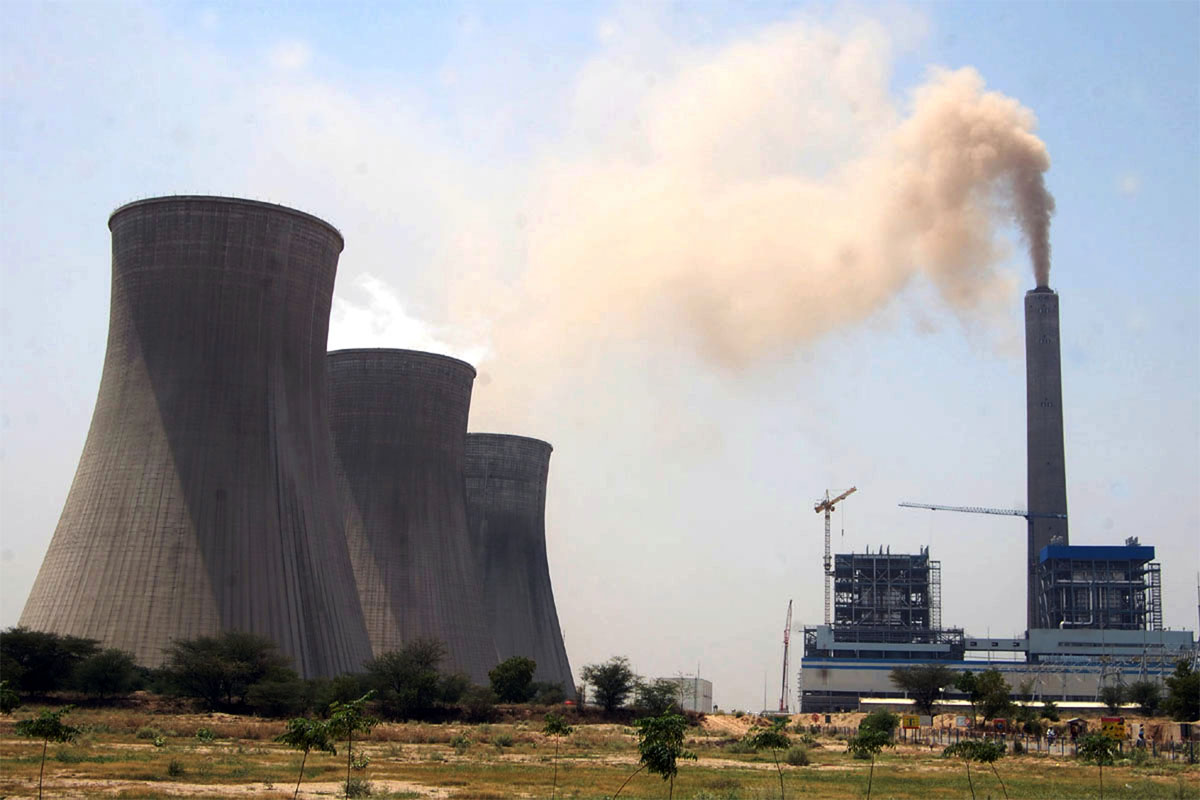
The numbers highlight a recurring challenge: Punjab’s power availability from all sources is around 15,555 MW, which is consistently outpaced by seasonal demand spikes that push requirements beyond 16,000 MW. Thermal plants remain the backbone of supply but are vulnerable to outages and coal supply bottlenecks. Hydel generation, though significant, fluctuates with water availability, while solar capacity, despite steady growth, contributes only a fraction of the total load. As a result, Punjab leans heavily on central allocations and grid drawal, often resorting to costly short-term purchases when demand peaks.
The fiscal burden on Punjab State Power Corporation Limited (PSPCL) is mounting. Subsidized tariffs for agriculture and domestic consumers, combined with high procurement costs, have left the utility struggling to balance its books. Banking arrangements with other states provide limited relief, as northern India faces similar shortages during peak summer. The exchange price, though lower this week, remains volatile and can spike sharply when demand rises across the region.
Demand patterns show a clear upward trajectory. On average, Punjab’s requirement grows by about 500 MW annually, with projections suggesting demand could cross 18,000 MW this season. Daily fluctuations are also stark: on 30 May, demand swung from 8,650 MW in the morning to just 4,721 MW by noon, underscoring the challenge of balancing supply in real time.
The Central Electricity Authority has already flagged Punjab’s vulnerability in its adequacy reports, warning of persistent shortages unless new investments are made. Coal dependency is a particular concern, as disruptions in supply chains can cripple thermal generation. Renewable expansion is critical, but integration into the grid must be strengthened to ensure stability.
For Punjab, the way forward lies in a mix of capacity expansion and fiscal reform. Investment in solar and wind projects, coupled with modernized thermal units, can help bridge the demand-supply gap. Transmission upgrades will allow greater drawal from the northern grid during emergencies, while demand-side management—especially in agriculture pumping—can ease peak load pressures. Equally important is addressing PSPCL’s debt and subsidy burden, enabling sustainable procurement without resorting to emergency purchases at high prices.
The current scenario is a reminder that Punjab’s power arithmetic is precariously balanced. With demand already crossing 16,500 MW against availability of 15,555 MW, the state is walking a tightrope between supply and shortage. Unless urgent steps are taken to expand capacity and reform finances, Punjab will continue to reel under costly purchases, mounting deficits and the looming specter of blackouts. The crisis is not just about numbers—it is about ensuring reliable power for farmers, industries and households at a time when the state’s economy and daily life depend on uninterrupted electricity.